For guides & outfitters
Run the business, not just the boat
Practical playbooks for pricing your trips right, running the paperwork side of a guide operation, and turning one-time clients into regulars who book you direct. Keep the listings that find you strangers — this is about the business you already own.
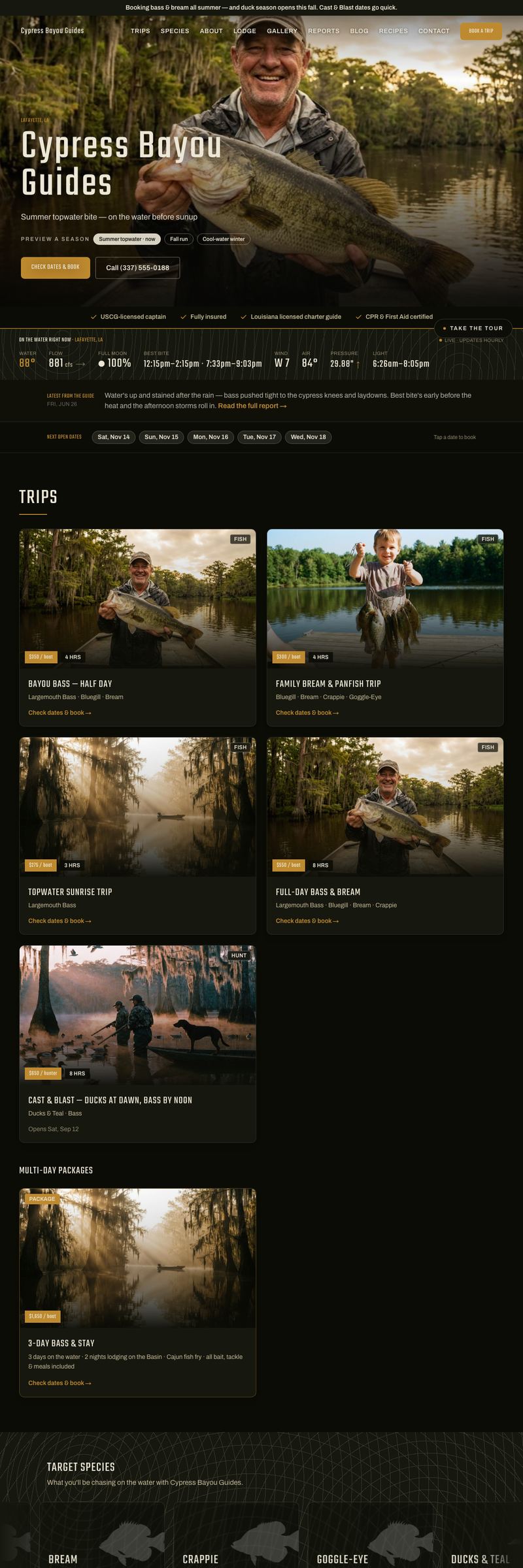
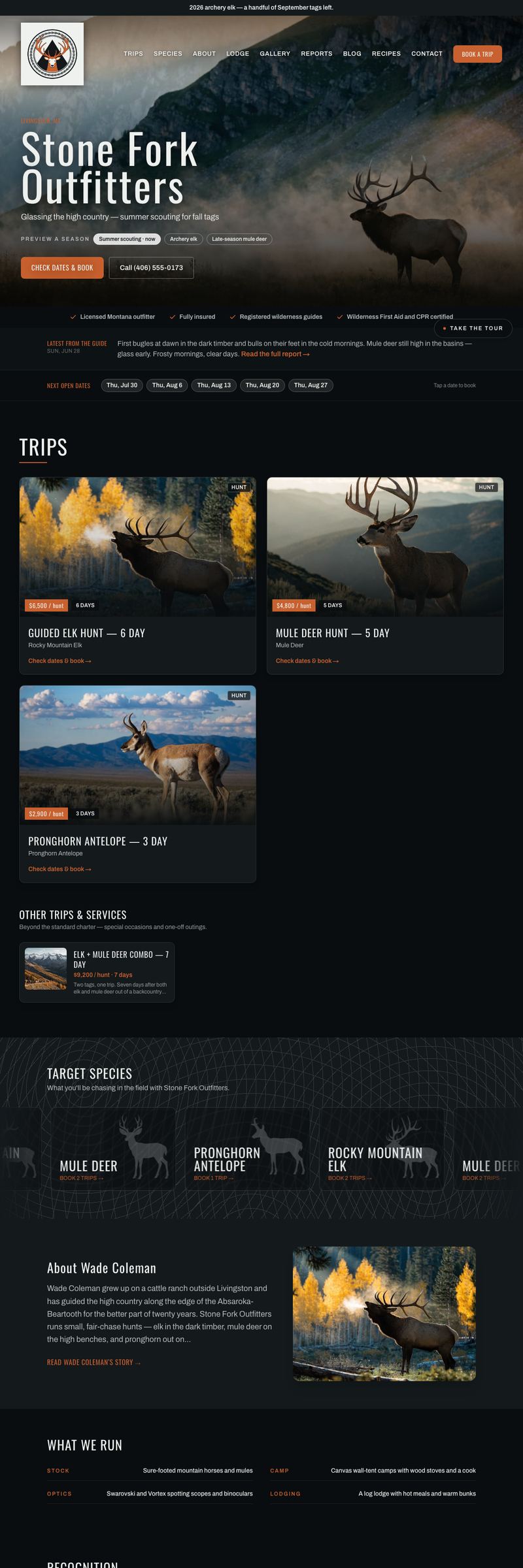
See your business the Timber & Tackle way
Paste the website you have today and watch it sketched as a cinematic guide site — your name, your photos, your colors — in about ten seconds. We don't keep your site, nobody calls.
THE CALL
You make the call.
The work in the dark timber nobody sees — that's the business you already own.
THE ANSWER
He answers.
Your calendar should too.
A place of your own where the regulars, the referrals, and the people searching your name land — and book.
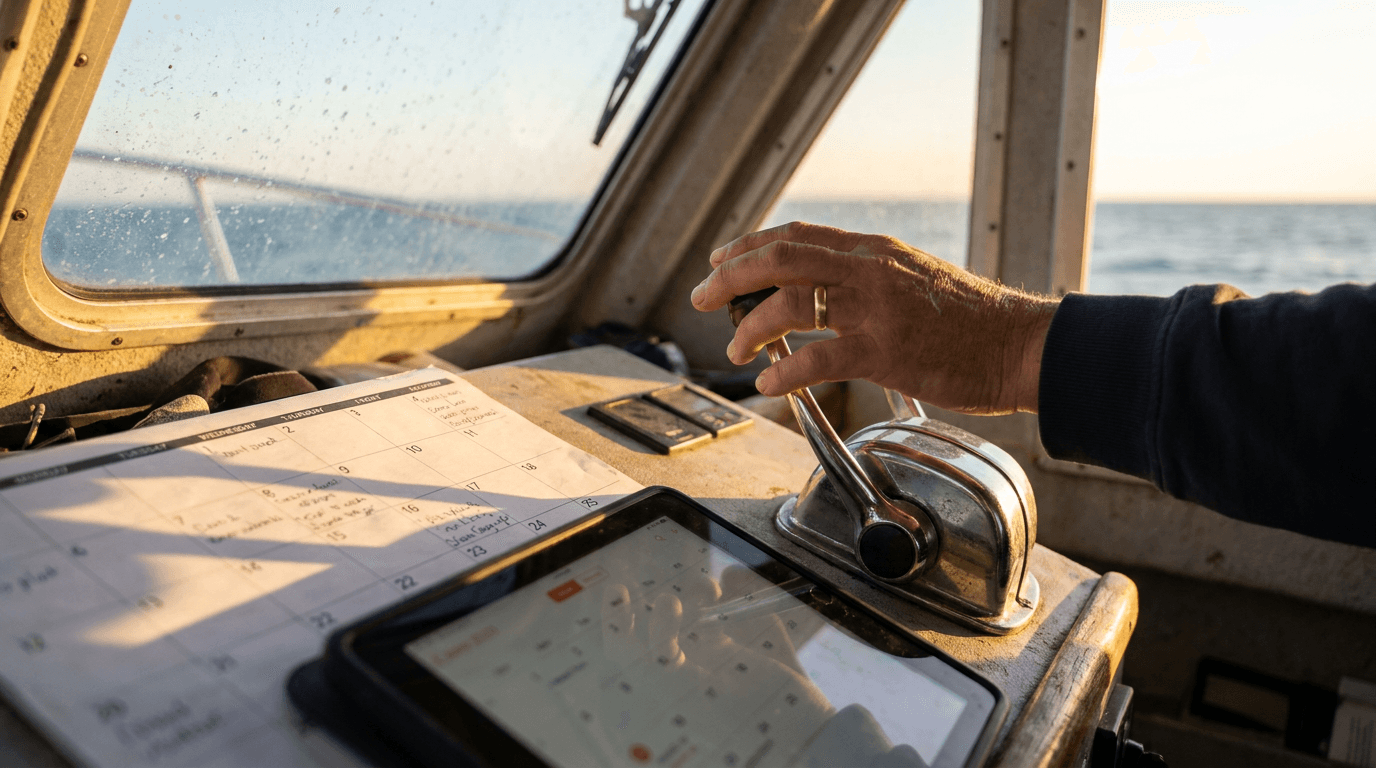
Rezdy vs. Checkfront: The 3% Fee You Can't Skip
Rezdy and Checkfront market their 3% online-booking fee as optional -- absorb it or pass it to the client. Run the real numbers on a season of charters and the choice is not much of one.
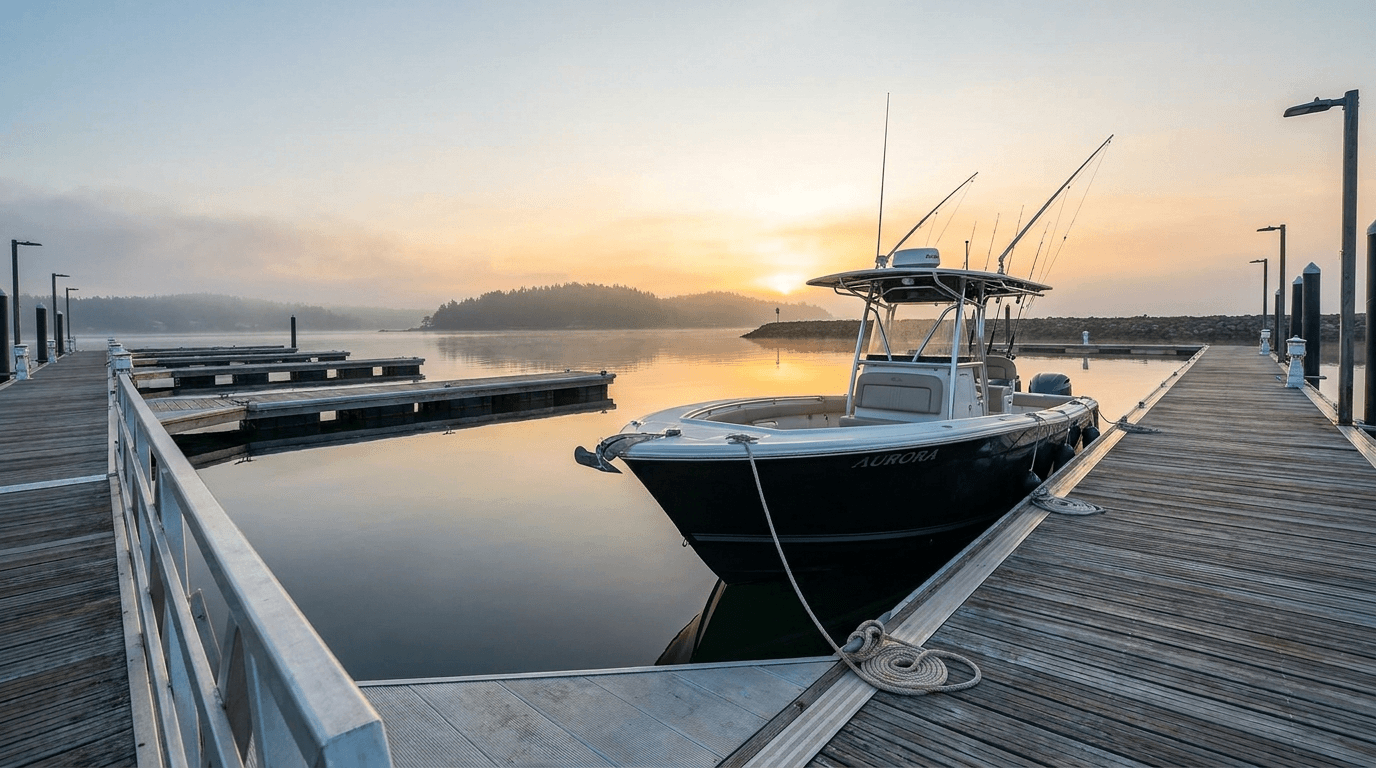
Guidesly Pricing: Why Their Own Website Costs You More
Guidesly Pro advertises no upfront fees, but its own fee schedule charges 10% on bookings through the website it built you — more than the 3% it charges for a plain phone call. Here's the real math on what that costs, and what changes with a flat fee.
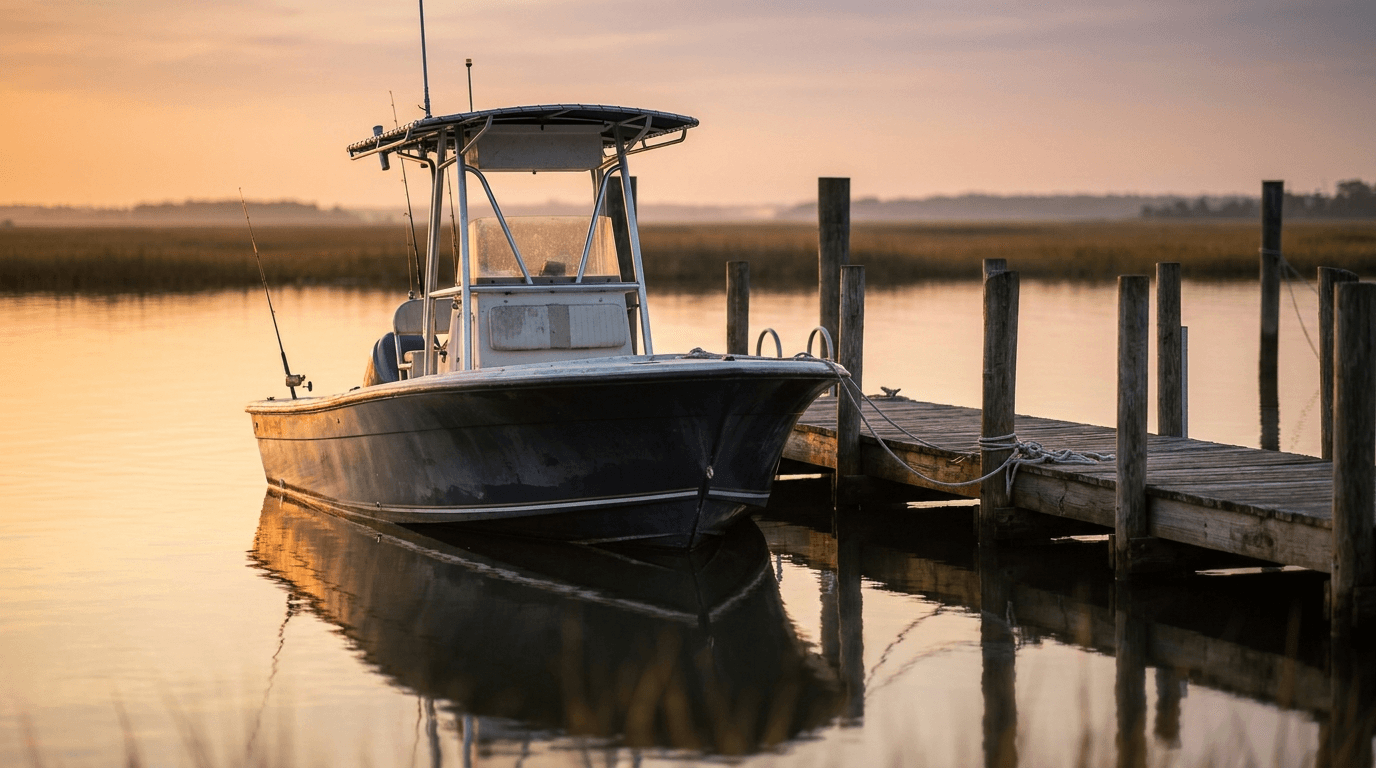
Best Fishing Charter Booking Software: The Real Math
Every "best fishing charter booking software" roundup ranks a marketplace next to a subscription tool as if they solve the same problem. A worked example on a real calendar shows why that math is wrong.

Best Booking Software for Hunting Outfitters: The 3% Trap
Every list ranking best booking software for hunting outfitters covers the same five features. This one runs the fee question those lists skip against real season numbers.

AnyCreek Pricing: The Fee That Hits Every Booking
AnyCreek markets itself as commission-free relief from marketplace math. Its own fee schedule tells a different story — a worked $6,000 month shows what a guide actually pays, and on which clients.
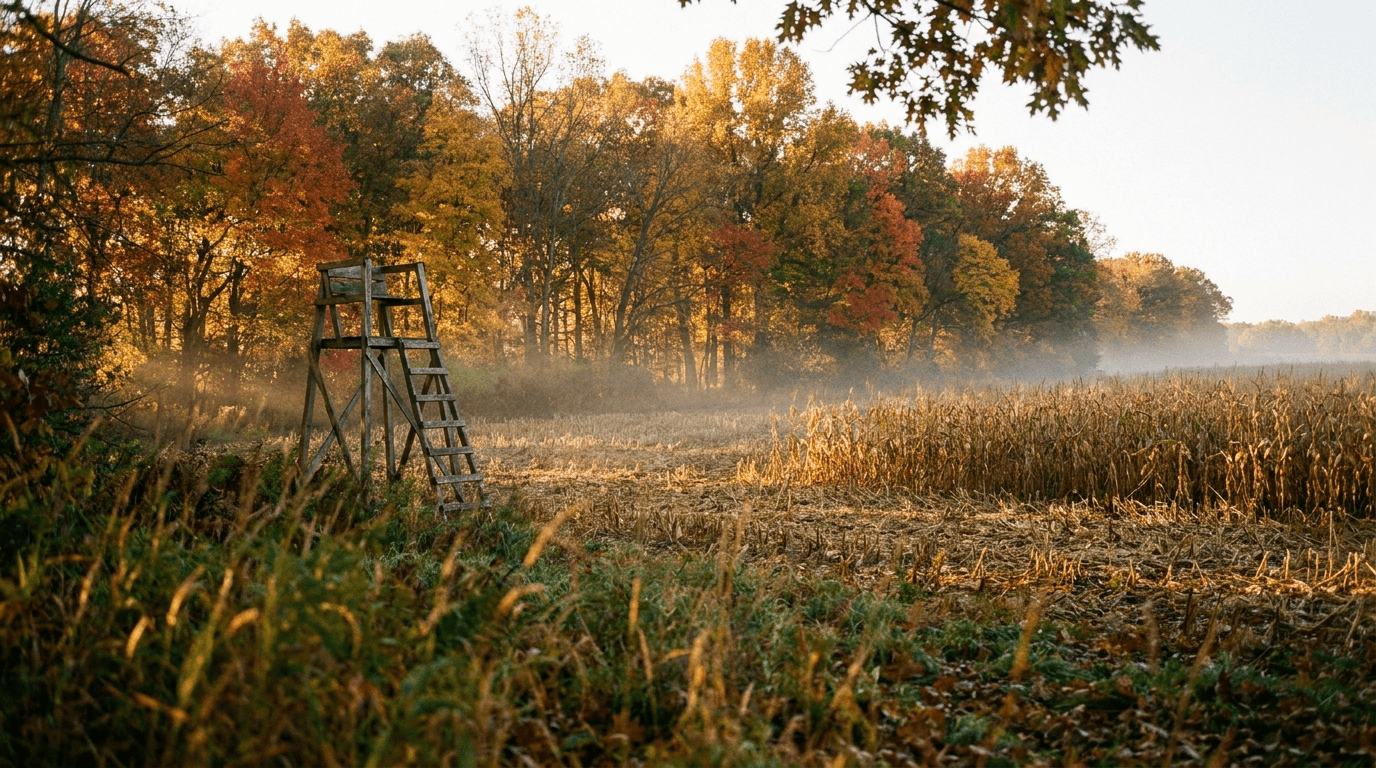
The Google Business Profile Setup Most Outfitters Skip
Most outfitters claim their Google Business Profile once and never touch it again. Here's the category, service-area, and verification setup that actually gets a hunter to click through and book.
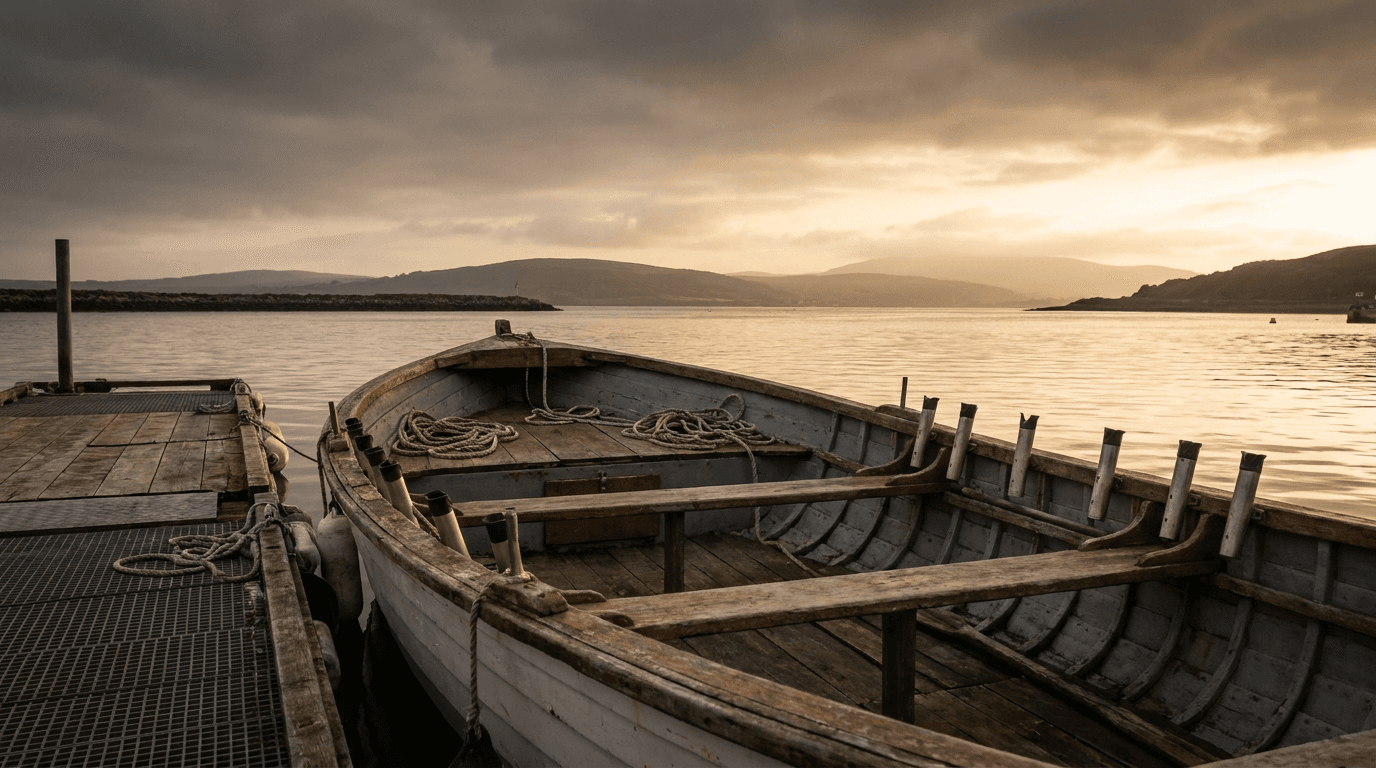
How to Write a Fishing Charter Cancellation Policy
No-shows and weather cancellations are different problems and need different rules. A plain-language deposit and cancellation policy template for fishing charter captains, plus where it needs to live to actually protect you.
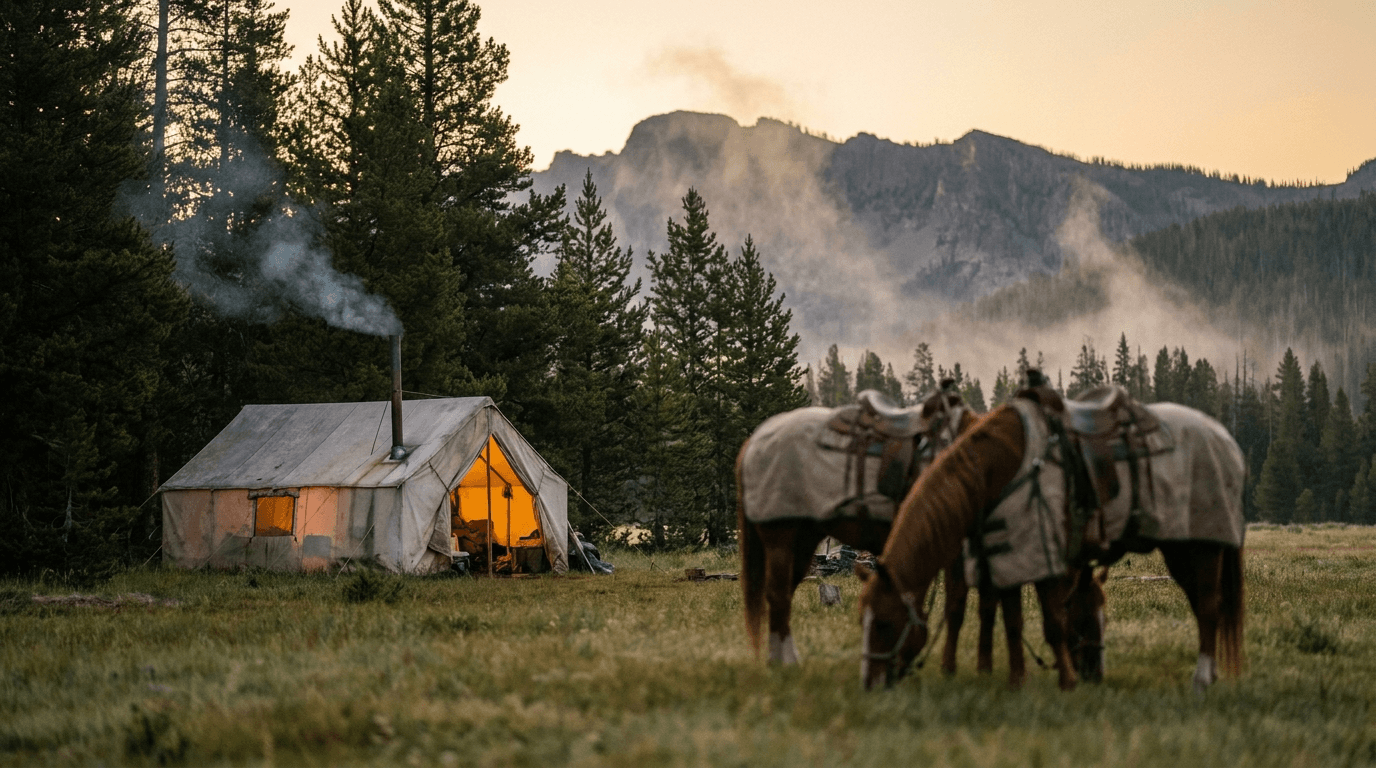
Your Guided Hunt Doesn't Belong in a Discount Grid
A marketplace grid ranks a $2,200 drop-camp elk hunt against a $9,500 leased-ranch trophy hunt on price alone. Here's what gets lost in that comparison, and how to build a direct booking presence that doesn't have to compete on the same page.
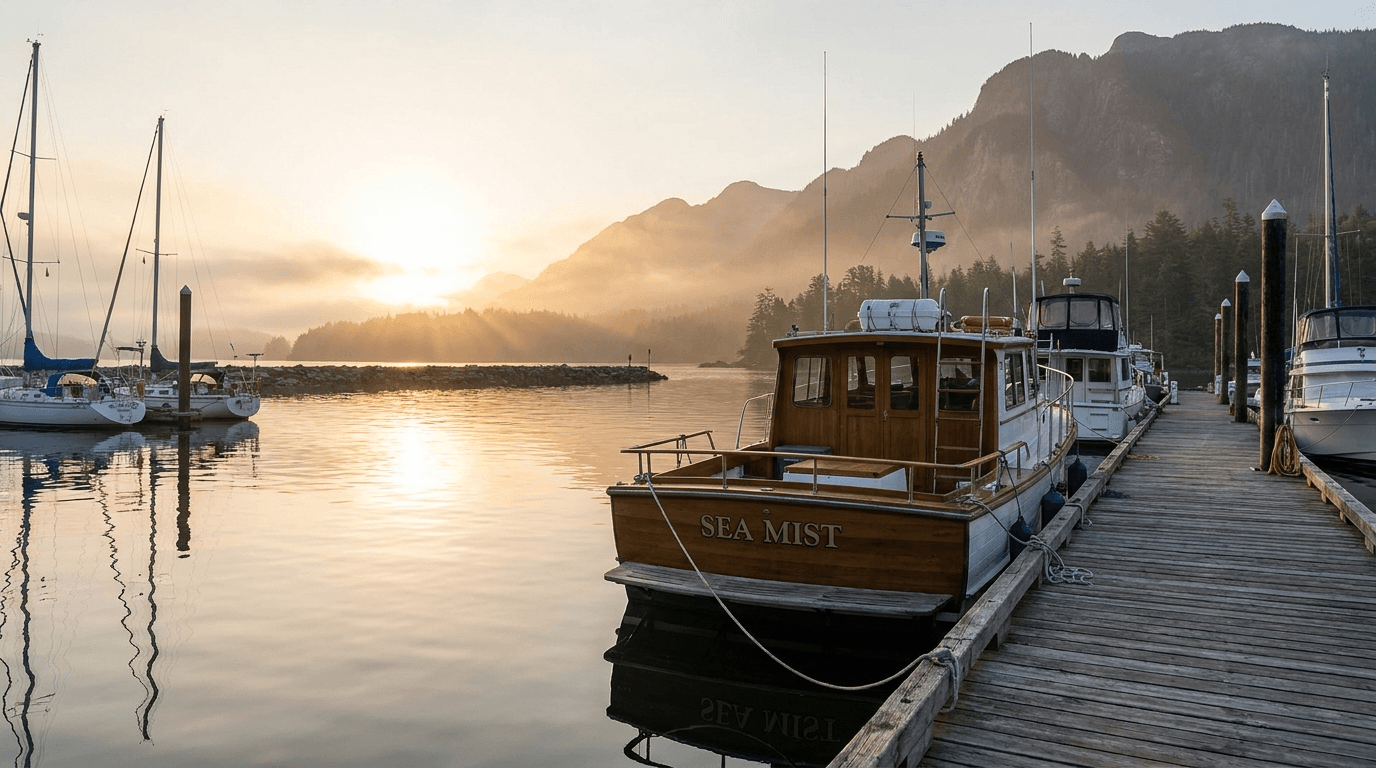
The Win-Back Email a Charter Client Won't Delete
A client who paid four figures for a day on the water can spot a template in two seconds. The win-back that works is one message, to one person, from you.

Hunt Logs as SEO: The Content Habit Platforms Can't Copy
National rut-report media and marketplace listings can't publish a dated, unit-specific hunt log. Here's the keyword strategy, entry structure, and posting cadence that turns yours into search traffic a platform can't touch.
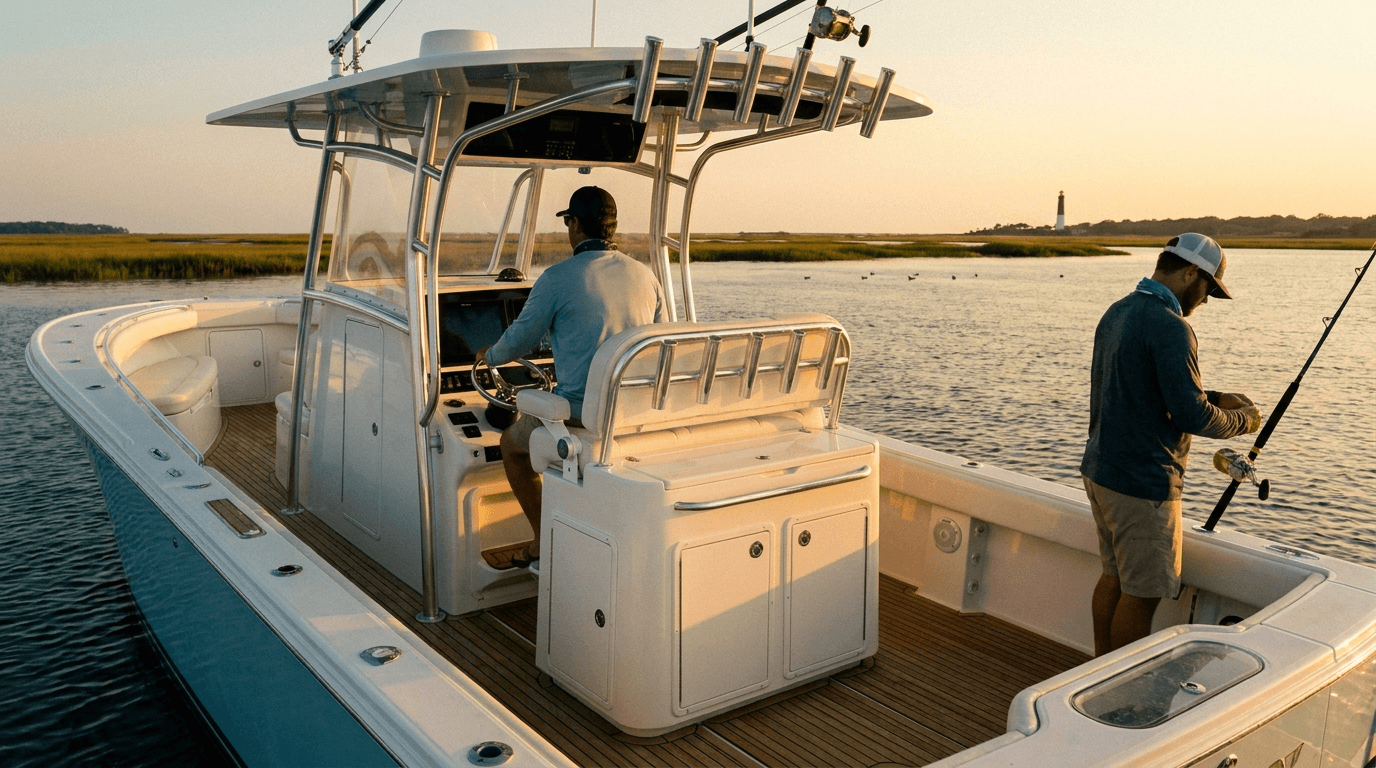
When to Hire a Second Mate for Your Fishing Charter
A six-pack license caps you at six passengers, not at what one person can do at once. Here's the real math on mate pay, the compliance detail almost nobody explains right, and how to know when solo is actually holding your business back.

Stop Asking for Hunting Reviews Right After the Hunt
Most outfitters ask for a review at the worst possible moment: right at the truck, gear half-loaded. Here's the timing that actually works, and how to automate it.
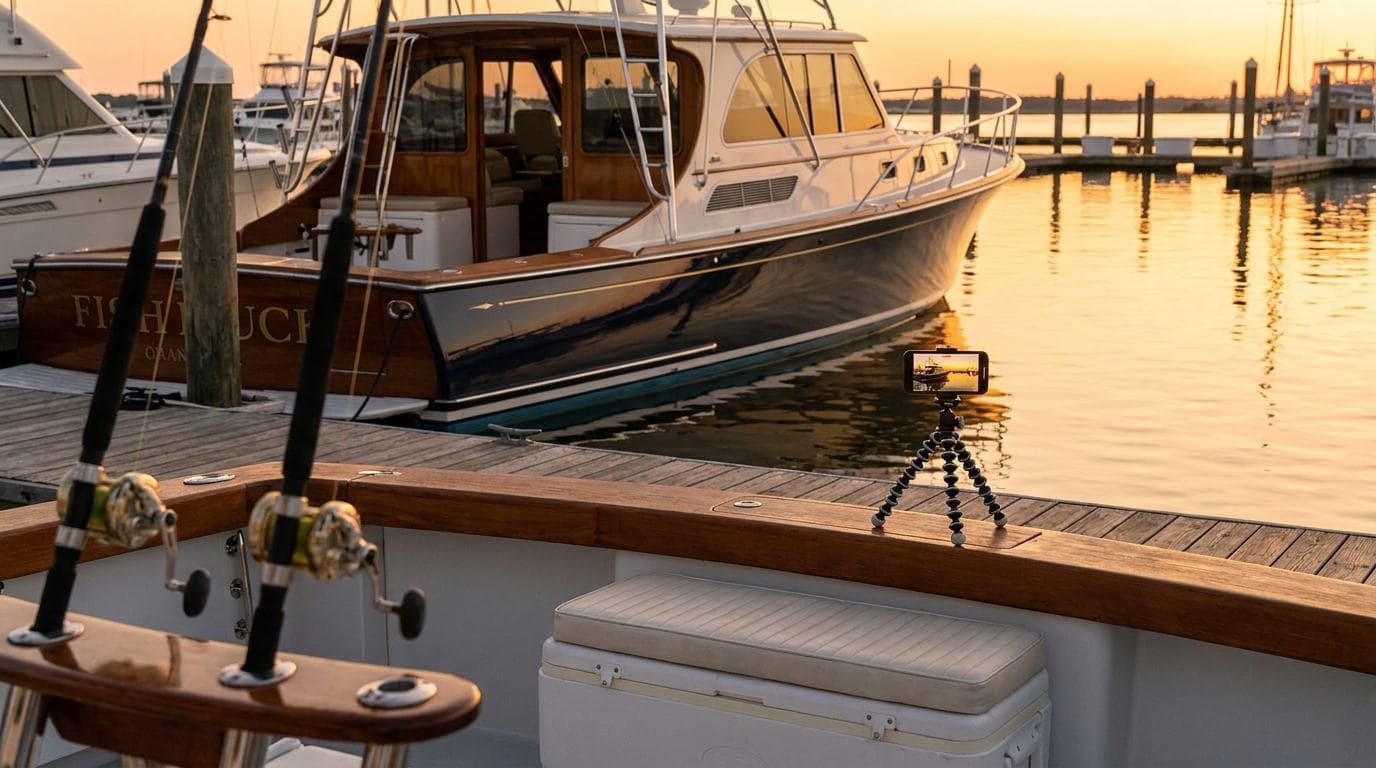
The Instagram Strategy That Actually Books Charter Trips
Most charter marketing advice stops at posting Reels. Here's what Instagram actually rewards in 2026 and the booking-link mistake that quietly costs guides real bookings.
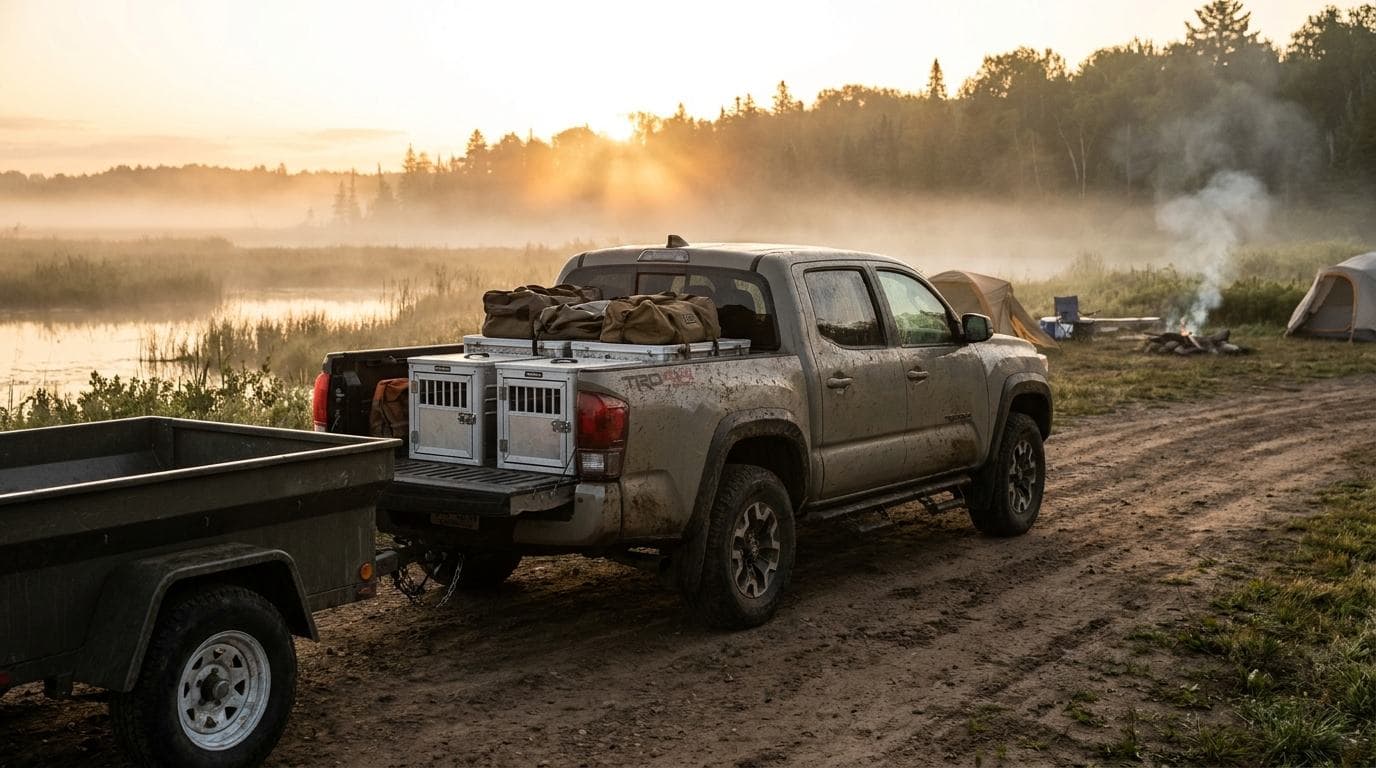
When to Hire a Second Guide for Your Hunting Outfit
Turning away bookings because you're the only guide? Here's the real math on day rates, tip splits, and employee-vs-contractor rules before you hire your first help.
The Clause That Bans Asking a Client to Rebook Direct
One major charter platform's terms bar guides from even asking a client they already guided to book direct next season. Here's what that clause actually covers, what it costs beyond the commission, and how to own the relationship instead.
Turn Hunt Recap Videos Into Next Season's Bookings
Instagram reels and YouTube recaps won't book a hunt by themselves, but they decide who's on the shortlist when a hunter finally does. Here's how to turn that footage into leads you actually own.
The Post-Trip Photo Email That Rebooks Clients
A branded trip-photo recap beats a text message every time. Here's how the five minutes after each trip turns into repeat bookings, shares, and reviews.
Your $1,200 Charter Doesn't Belong in a Discount Grid
A marketplace listing costs more than its commission — it flattens a premium trip into a commodity. Here's what an owned, premium brand keeps that a listing never gives back.

Gift Certificates: The Off-Season Revenue Guides Skip
Gift certificates turn your slowest month into upfront cash, if you price them right, track redemption, and don't accidentally break the federal expiration law almost every handwritten certificate violates.
The Hunting Platform Clause That Keeps Your Client Booking Through Them — Not You
Some hunting platforms don't just take a commission on the first trip — they position themselves as your client's permanent booking agent. Here's what that agreement costs outfitters long-term.
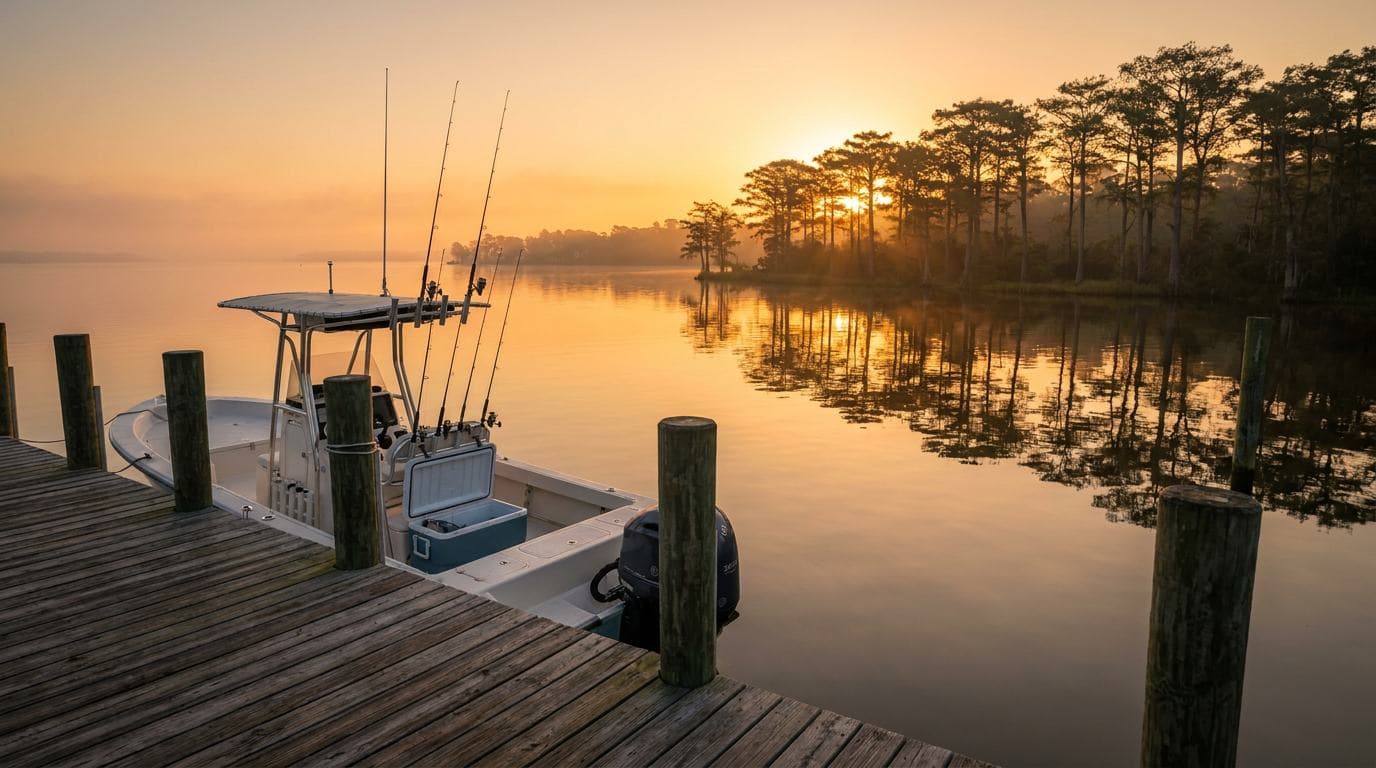
How to Build a Client List You Actually Own
The most valuable thing in a guide business isn't the boat or the lease. It's knowing who fished what water, in what month, and what they caught.
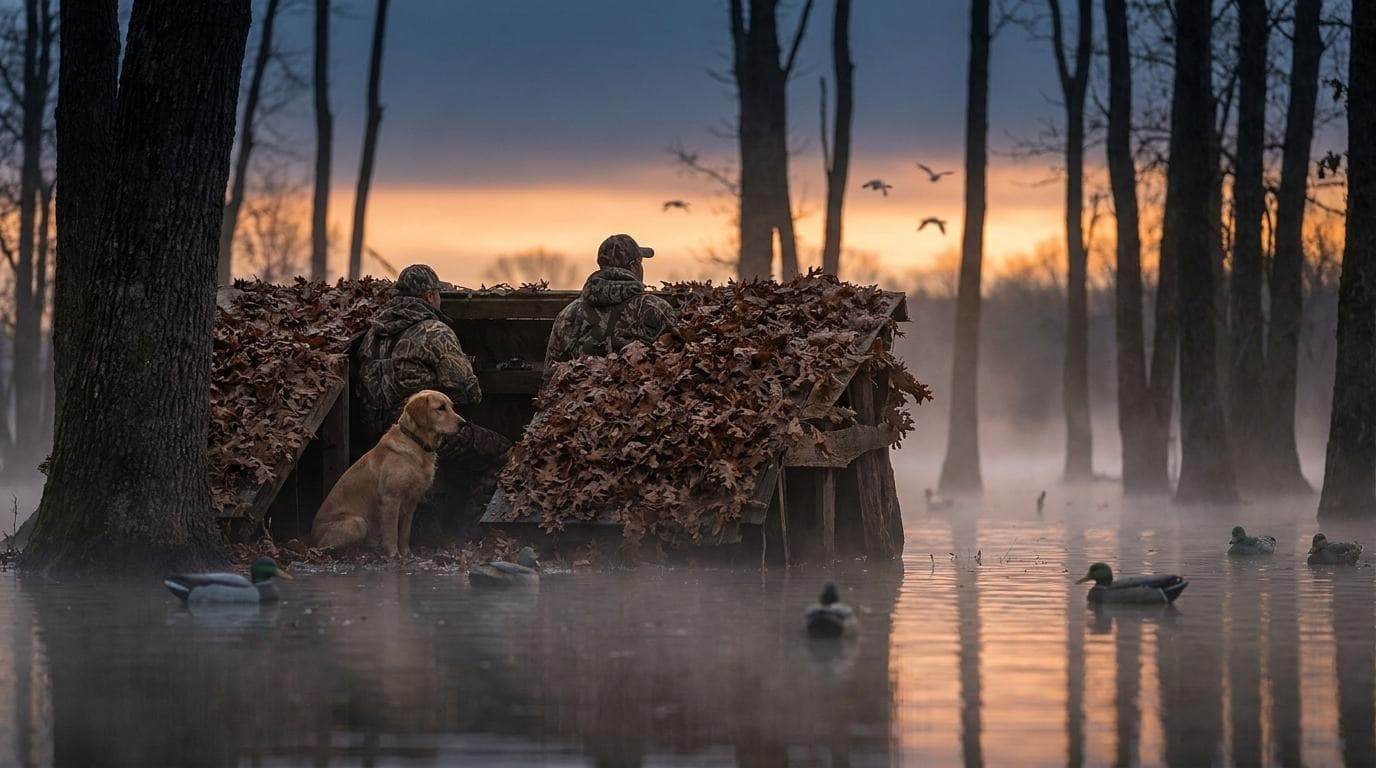
How to Price a Guided Waterfowl Hunt: Rates, Deposits, and What Outfitters Charge
Most waterfowl outfitters undercharge because they built their rate around what feels comfortable rather than what covers the season's overhead. Here's how to set your duck and goose guide rates, structure deposits, and add the revenue lines that make a real difference.
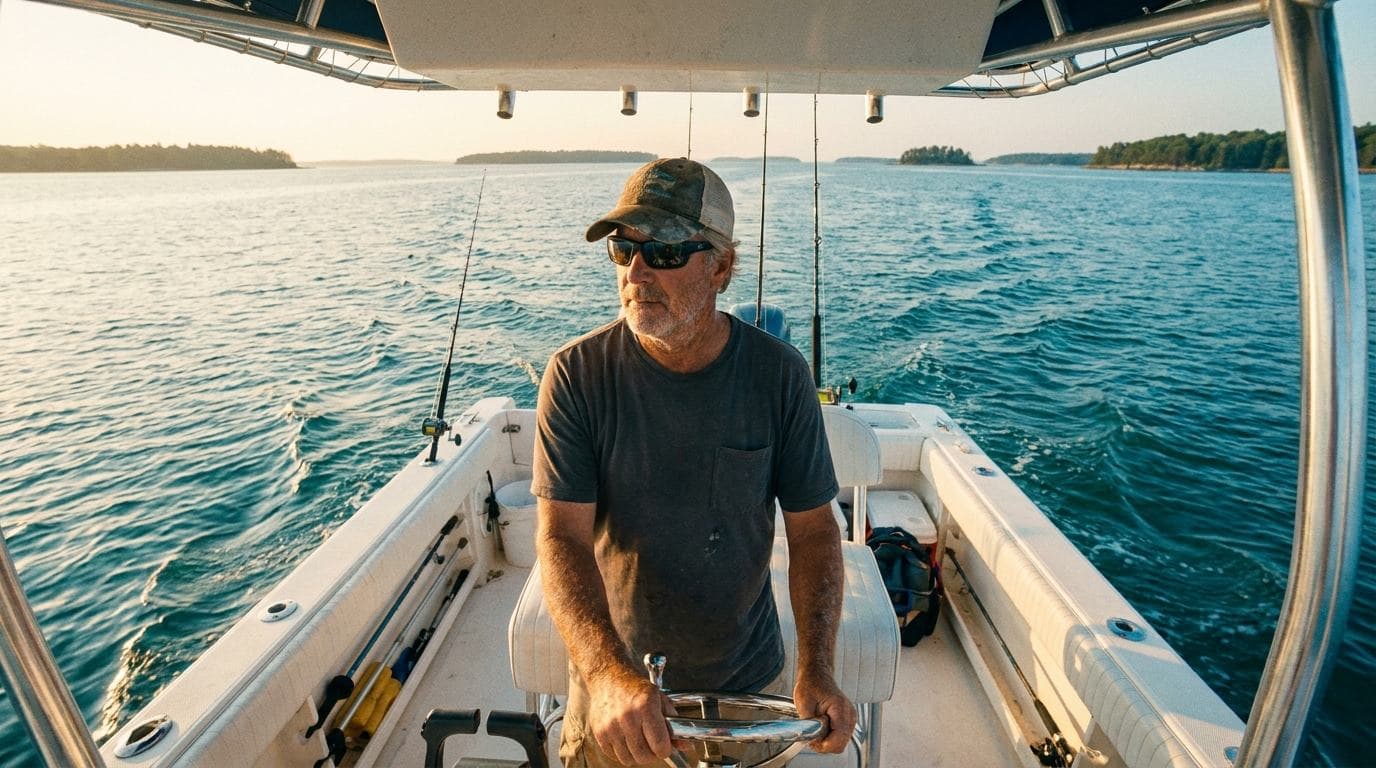
How to Raise Your Fishing Charter Rates Without Losing Your Best Clients
If you haven't raised your charter rates in two years, inflation has already cut your margin by 15-20%. Here's how to close that gap, with real numbers, a client email template, and advice on which clients are worth keeping.
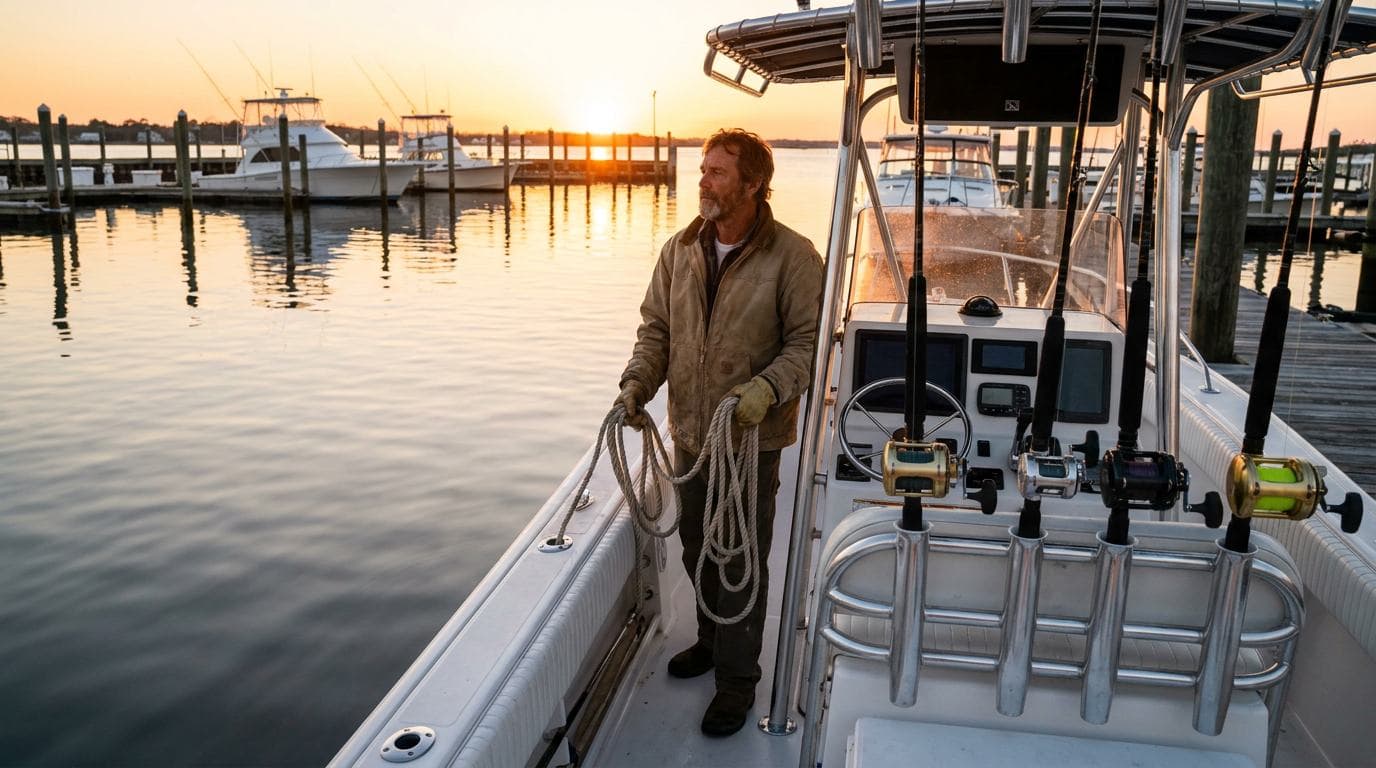
How to Start a Licensed Fishing Charter: USCG, Insurance, and Landing Your First Clients
The practical path from experienced angler to licensed charter captain — covering the USCG OUPV credential, state requirements, business structure, the insurance you actually need, and how to fill your first season without paying platform commissions.

How to Write a No-Show and Bad-Weather Policy That Protects Your Hunting Guide Business
A clear deposit and cancellation policy doesn't scare clients away — it filters for serious ones. Here's how to structure yours so a no-show doesn't cost you a week of income.
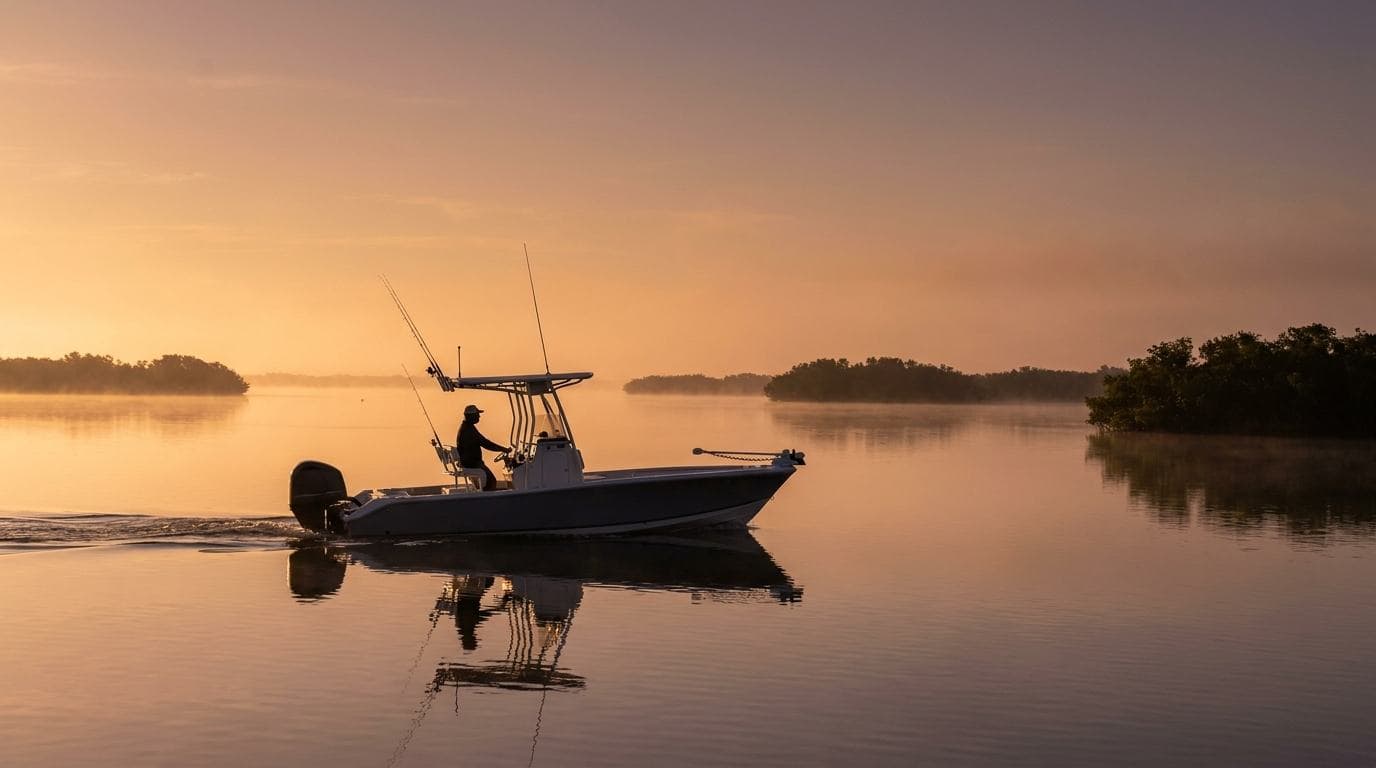
Fishing Reports as SEO: How Weekly Trip Posts Help Guides Outrank the Platforms
Booking platforms outrank most guide service websites on Google — but weekly fishing reports can change that. Here's the structure, keyword strategy, and publishing cadence that turns trip posts into a steady stream of direct bookings.
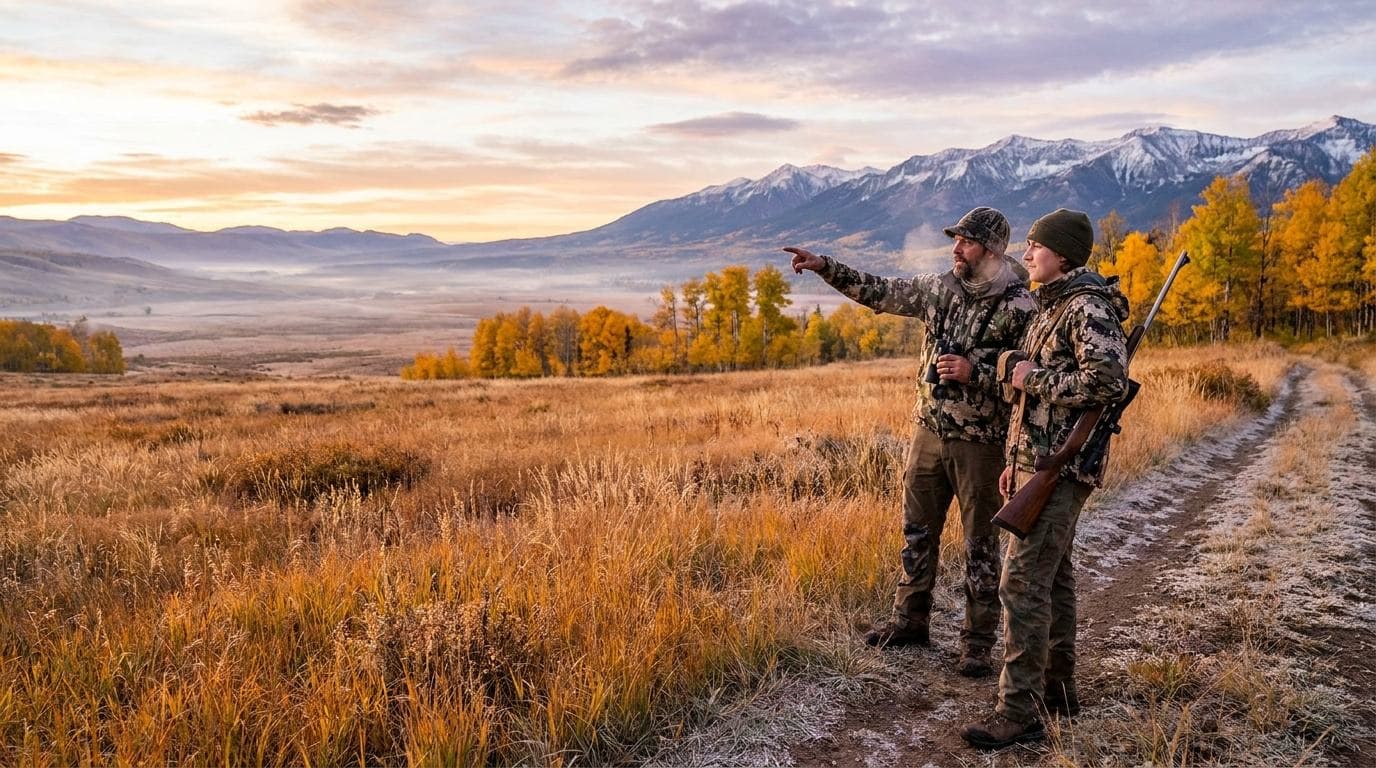
How to Start a Hunting Guide or Outfitter Business: Licensing, Insurance, and Landing Your First Clients
What licenses you actually need, what insurance costs, and how to build a client base before you ever list on a booking platform — the practical path from day one.
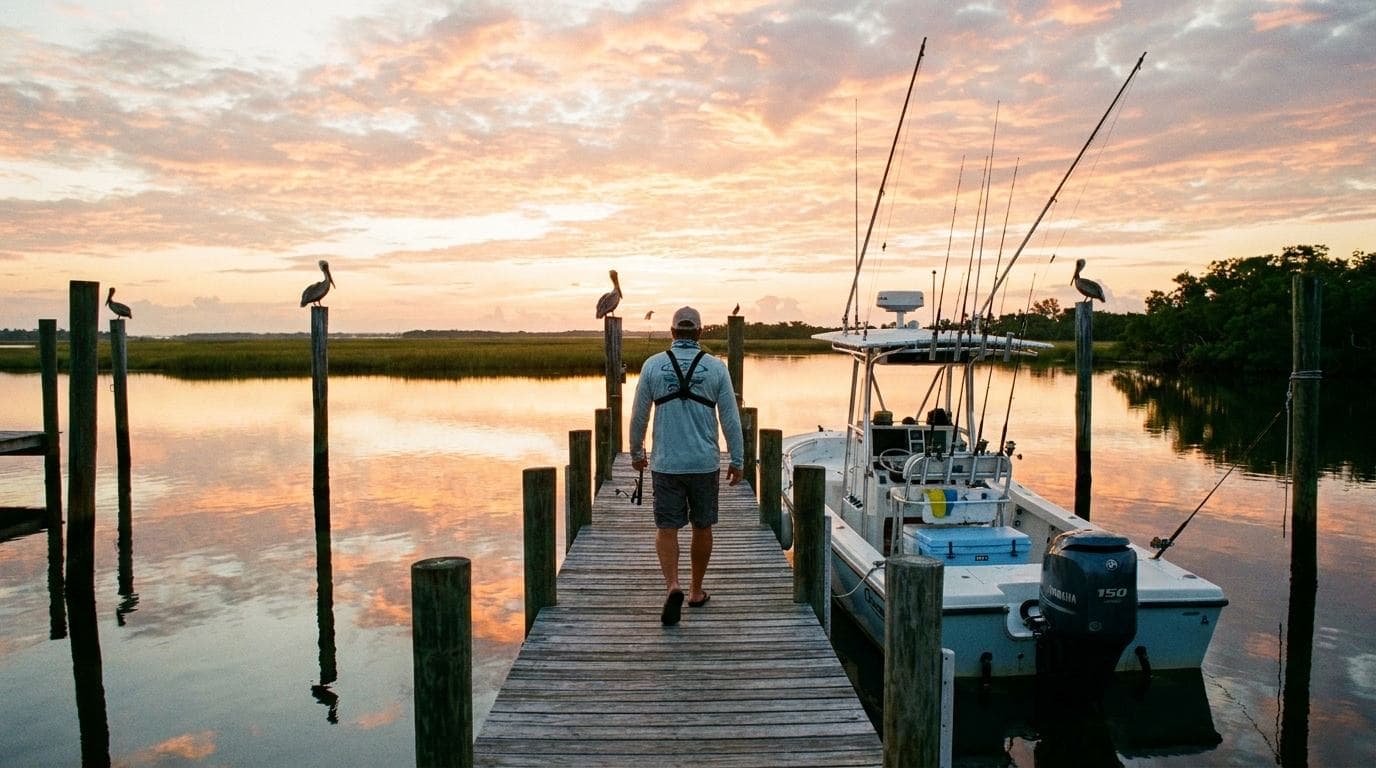
How to Fill Your Mid-Week and Shoulder-Season Charter Dates
Mid-week and shoulder-season dates are the hardest slots to fill — and the most profitable when you do. A practical playbook for fishing charter captains: rebooking from the dock, building an email list you own, gift certificates, corporate groups, and the math behind running a direct calendar.

The Price-Parity Clause Hunting Platforms Don't Advertise — and What It Costs You
Several major hunting booking platforms require outfitters to match their listed prices on direct bookings. Here is what that clause costs across a returning client's lifetime, and how to build a direct booking business that does not depend on platform terms.
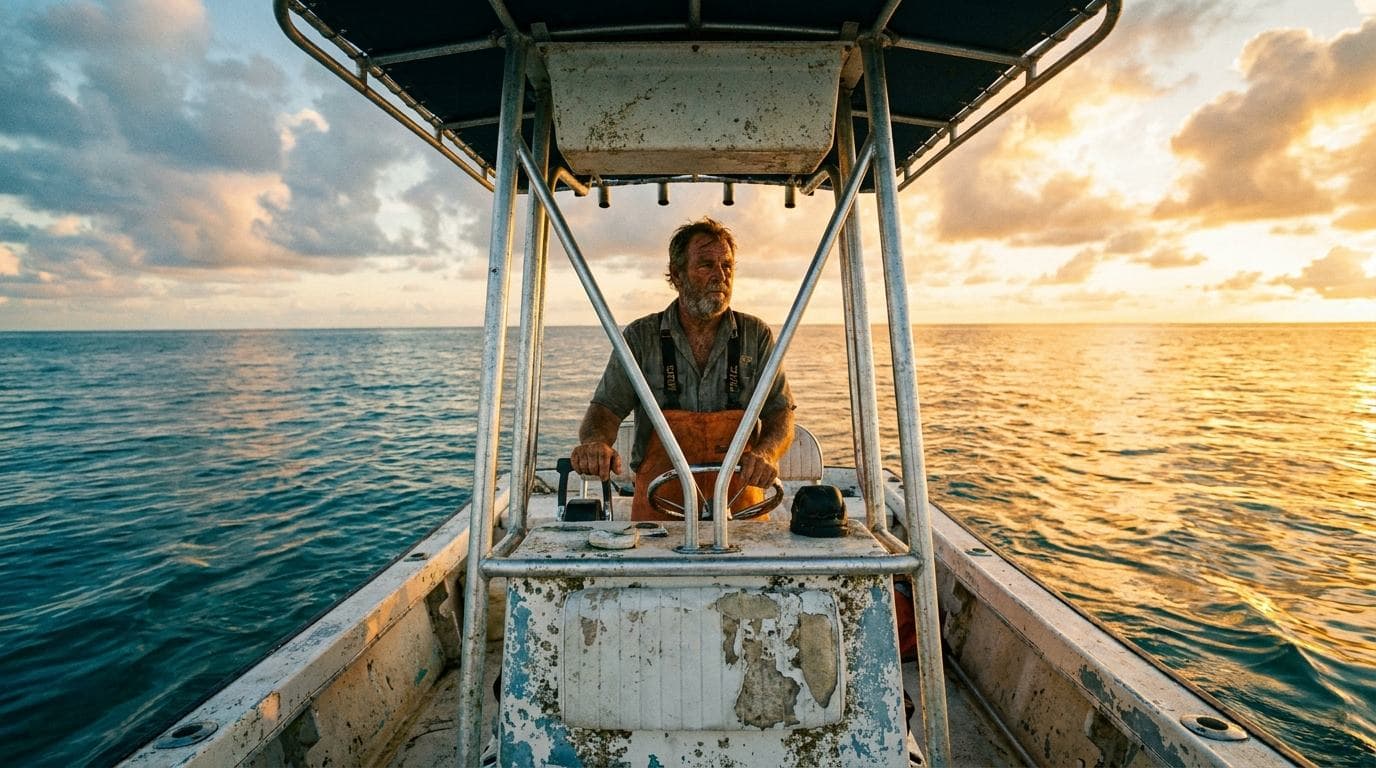
How to Set Fishing Charter Rates That Actually Pay You
Most captains set charter rates by looking at what competitors charge. Here is the cost-first method that tells you your actual floor — and why many inshore captains are quietly undercharging.

How to Rebook Hunting Clients Before the Season
The hunters who don't rebook usually aren't unhappy — they just never got asked on a day that mattered. Here's where those days sit.
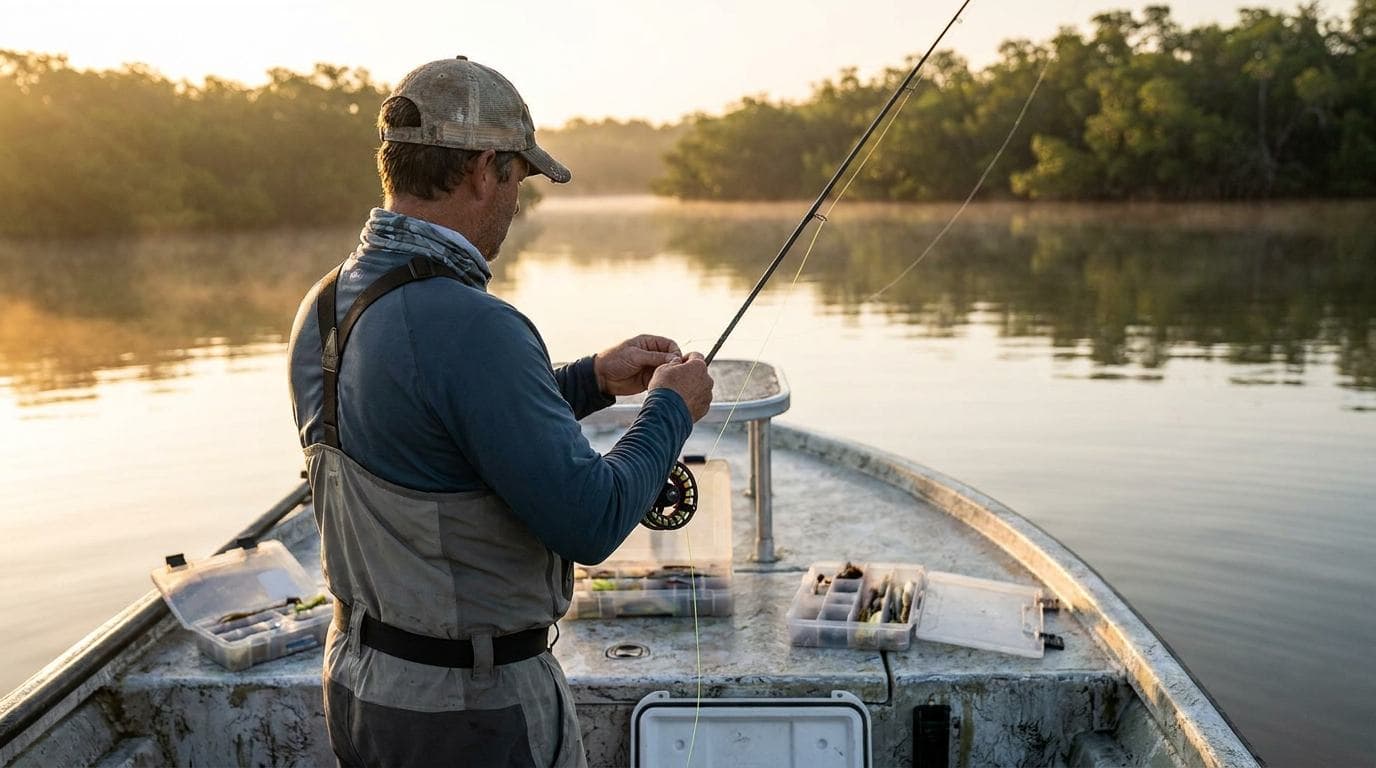
How to Build a Five-Star Google Review System for Your Guide Service
Most guides lose bookings to competitors with more Google reviews, not better skills. Here is a step-by-step system for collecting, managing, and responding to reviews that compounds over a full season.
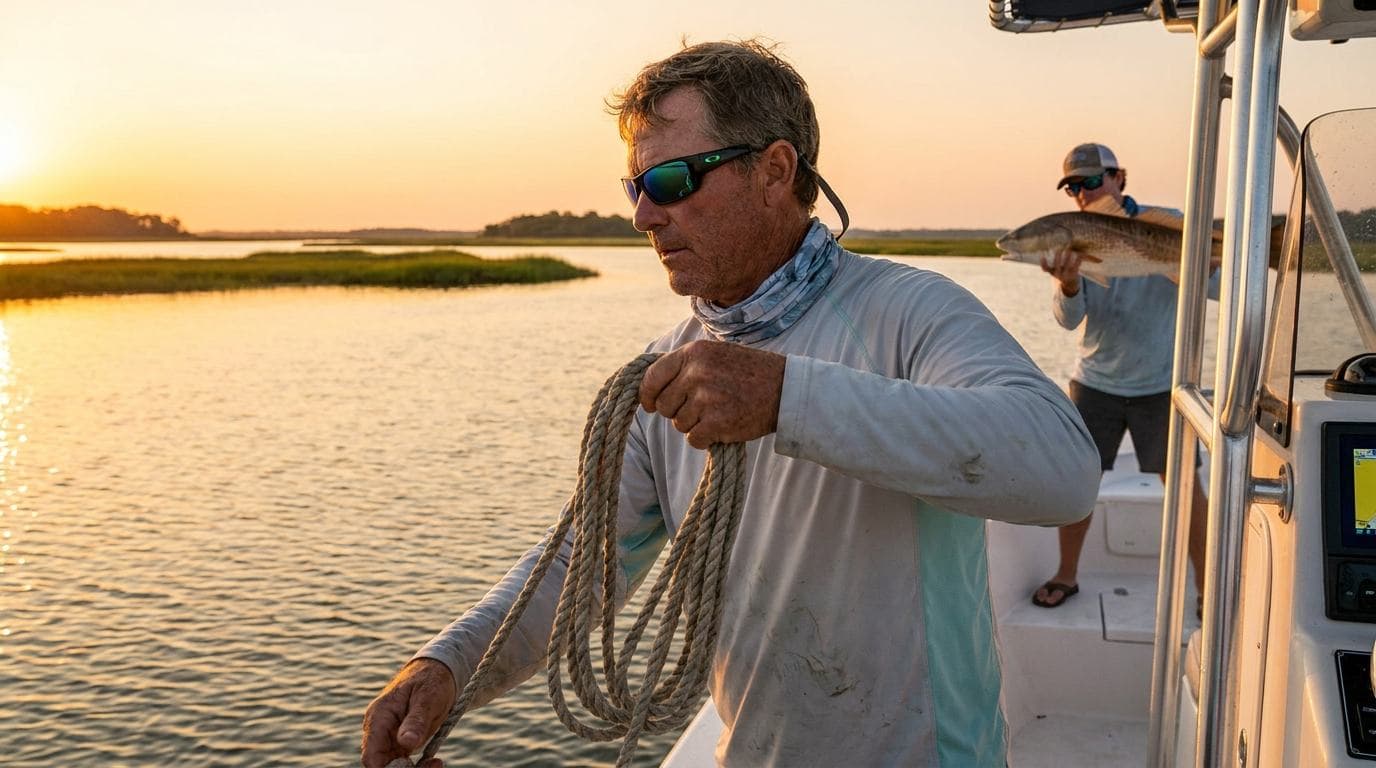
How to Turn First-Time Charter Clients into Annual Regulars
The math of repeat bookings versus commission-paying new clients is simple — most guides just don't run it. Here is the follow-up system that starts on the water.

How to Price a Guided Whitetail Hunt: Rates, Deposits, and Add-Ons That Fill Your Season
A practical breakdown of what deer hunts sell for, how to structure deposits, and which add-ons build the margins that let you run a better, less crowded operation.
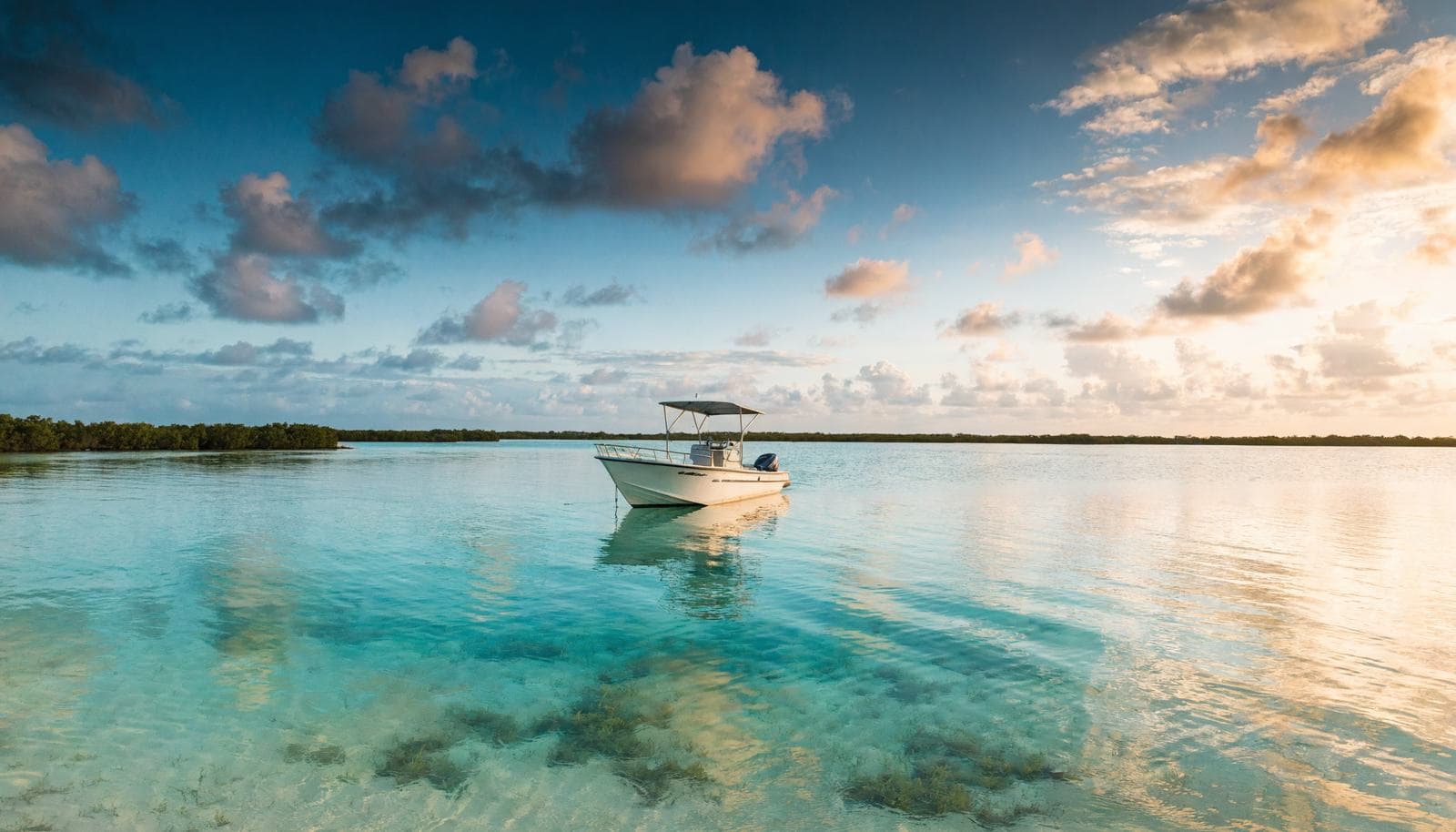
The Real Math of FishingBooker and FareHarbor Fees
FishingBooker charges 10–30% per booking and FareHarbor adds 6–8% at customer checkout. Here is a clear breakdown of what these fees cost at real revenue levels — and a practical strategy to reduce your dependence on them.