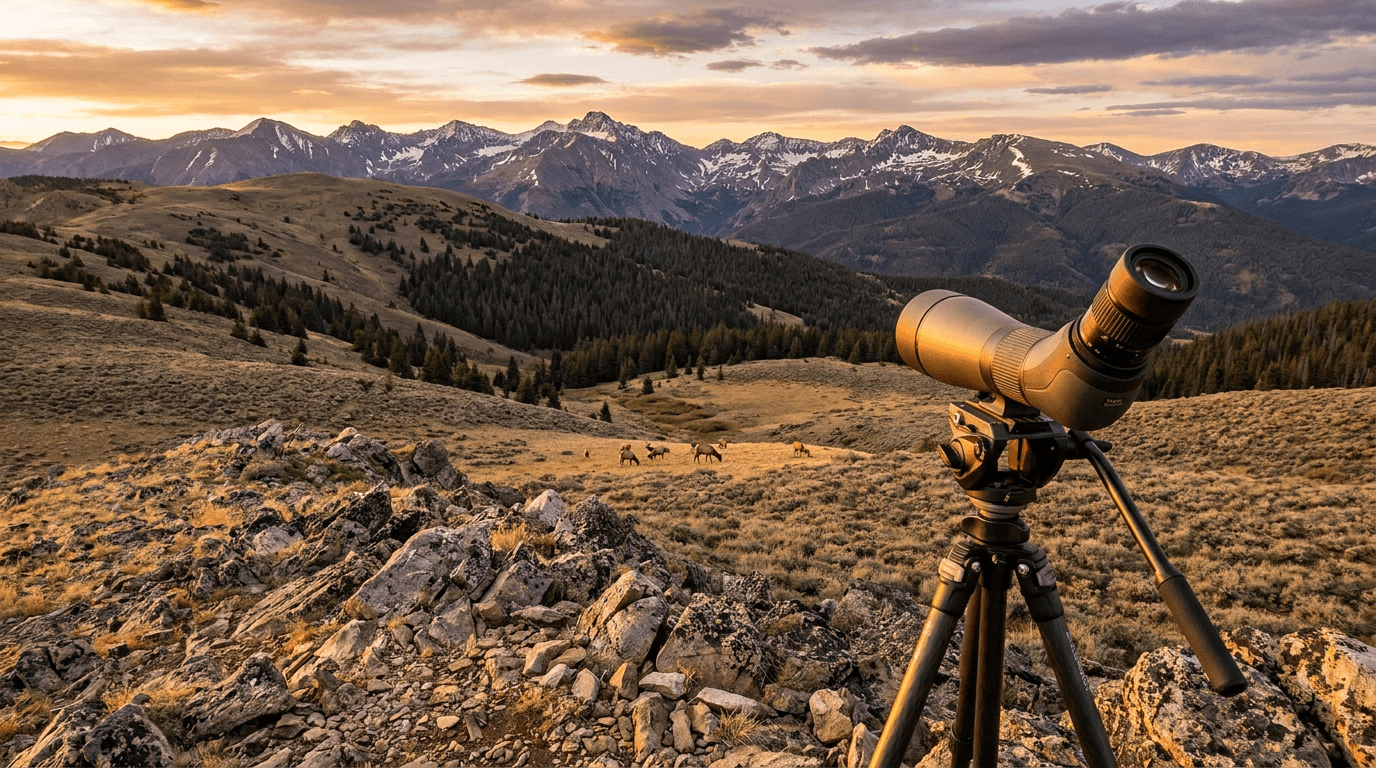
The draw results come back, and for most elk hunters they come back empty. What happens next separates the people who pack out a September bull from the people who spend the fall telling stories about the points they're building. Unsuccessful isn't the end of your season. It's the start of a different calendar, and that calendar moves fast: Wyoming's leftover licenses go on sale in mid-July, first come, first served, and the good units are usually gone within days. Colorado's leftover and over-the-counter sale lands in early August. Utah's counter never closed. If you didn't draw, your backup season has its own opening day, and it arrives months before the real one.
The OTC map shrank, and it shifted east
If your fallback plan is built on how things worked a few seasons ago, it's already out of date. Two changes redrew the map. Idaho, which for years sold nonresident general elk and deer tags over the counter, now runs those tags through a structured draw with an application window in early December. Miss the window and Idaho's general season is off the table until next fall — there's no counter left to walk up to.
Colorado made the second cut. Nonresidents can no longer buy OTC archery elk licenses for game management units west of I-25, or for GMU 140. The Gunnison Basin units — 54, 55, and 551 — went draw-only entirely. That removed most of the high-country archery hunting people picture when they think Colorado elk.
None of this means over-the-counter elk hunting is dead. It means the map got smaller, and the options that remain are worth understanding in detail instead of assuming they still work the way they used to. The annual rhythm looks like this:
- Mid-July: Wyoming's leftover license sale opens, first come, first served.
- Early August: Colorado's leftover and OTC sale opens online at 9 a.m. Mountain time.
- All summer: Utah's general archery elk permit sits on the counter, no deadline attached.
- Early December: Idaho's application window for next fall's general tags — the one date on this list that's about the following year.
Colorado: plains units and the leftover list
Nonresidents can still buy OTC archery elk tags for a handful of plains units east of I-25. It's lower-elevation, agricultural-edge country, and it hunts differently — more glassing farm ground and river-bottom timber, less alpine basin work. A legitimate hunt, just not the postcard version.
The bigger opportunity is the leftover list. After Colorado's secondary draw wraps up, every license nobody claimed lands on that list, and leftover and OTC licenses go on sale together in early August, online, in order of who gets there first. The scale surprises people: in 2025, roughly 3,899 nonresident archery elk licenses went unclaimed, many from limited-draw units that normally take years of preference points to pull. Colorado Parks and Wildlife publishes the list ahead of the sale date. Pull it the day it posts, cross-reference units against public land access and elk densities, and have two or three targets ranked before the window opens. Hunters who start their research after the sale begins are picking from whatever the prepared ones left behind.
Wyoming: not OTC, but close if you're quick
Wyoming doesn't sell a true over-the-counter elk tag. What it has is one of the most underrated fallback programs in the West: licenses that go unclaimed after the draw open up for first-come, first-served purchase in mid-July. The leftover pool usually mixes solid general elk areas with a few genuinely good limited-quota units that slipped through unclaimed.
The system rewards preparation, plain and simple. Have your unit rankings finished before the window opens, have your payment information ready, and be online at the exact minute sales start. A day of hesitation is the difference between a good unit and picking through scraps.
Utah: the last true unlimited OTC tag
Utah's general archery elk permit is the cleanest option left in the region — unlimited quota, sold over the counter, either-sex. It stopped being a secret years ago, and archery pressure on the popular units shows it. But the tag doesn't require winning a draw or beating a countdown clock, and there's real value in that. If your backup plan needs to be simple and certain rather than a race against a sale date, Utah is the most direct path to a guaranteed elk season.
Arizona and Montana: check your assumptions
Arizona still sells a nonpermit OTC elk tag to nonresidents, priced at $650 in 2026. It's a real option, but that number belongs in your budget math from the start, and it should factor into whether Arizona or Utah makes more sense for the season you're planning.
Montana is the state to stop assuming about. There is no true general OTC elk tag for nonresidents. What exists instead: Elk B licenses for antlerless elk in specific hunting districts, surplus licenses, and the Alternate's List, which fills seats when drawn hunters don't claim their tags. None of those is a guaranteed hunt the way Utah's general tag is. Treat Montana as a long-game application strategy, not a fallback you can count on in July.
A tag is the easy part
What separates a hunter who fills a leftover tag from one who hikes empty basins for a week is the work that happens between the purchase and opening morning.
Start e-scouting before you've even bought the license. Four things earn a pin on the map:
- Water. Springs, tanks, and creeks — then plan to confirm they're still holding in September, because a dry pin is worse than no pin.
- Bedding. Cool north-facing timber and benches partway down the ridges, the country pressured bulls fall back into.
- Feed. Meadows, sure, but pay particular attention to burns one to ten years old. Burned country regrows into some of the best elk feed on public land, and most hunters glass right past it looking for green grass.
- Travel. Pinch points and saddles between drainages, plus wallows worth a morning or midday sit in September.
Then understand what you're actually up against, because on any OTC unit the real enemy is pressure, not elk numbers. Most of the hunters in an OTC unit never work much past the first mile from a road, and by the second morning of the season the elk know it. The hunters filling tags in busy units are the ones willing to walk past the trailhead crowd into the dark timber where the bulls actually bed. Trucks and wall tents stacked at a trailhead aren't a discouragement — they're a map of where not to go, and a decent hint about where the elk have already moved.
Get to the unit at least two days before the opener. Drive the roads. Glass the basins in the morning and evening. Confirm the sign you're finding is fresh rather than left over from spring, because elk shift with weather and pressure between August and September, and month-old intel can put you a full drainage away from the herd on opening day.
Gear deserves one honest look too. A leftover-tag season usually means more miles, more elevation, and less certainty about where you'll end up than a drawn tag in a unit you've studied for years. That puts weight on three things: glass you trust enough to sit behind for an hour, a pack frame that has carried real weight before it carries a boned-out quarter, and boots with miles already on them. September in unfamiliar country is a bad place to learn your equipment's limits.
When it's worth buying the country knowledge
There's one more honest option, and a leftover tag is exactly the situation where it earns its keep. A guide or outfitter working an OTC unit is selling the one thing you can't e-scout: seasons of accumulated knowledge about where those elk go once the trailheads fill up. On a tag you bought in August for a hunt in September, that compresses a learning curve you don't have time to climb alone — a full outfitted hunt, a drop camp that gets you and your gear past the pressure line, or a day of guided scouting at the front of a DIY week all buy the same shortcut. Plenty of independent elk guides and outfitters book those trips direct, and timberandtackle.guide is where a growing number of them run their books — their calendar, their prices, no middleman taking a cut.
Not drawing isn't the end of the season. It's a scheduling problem, and the hunters who solve it are the ones who start working it the week the results post.