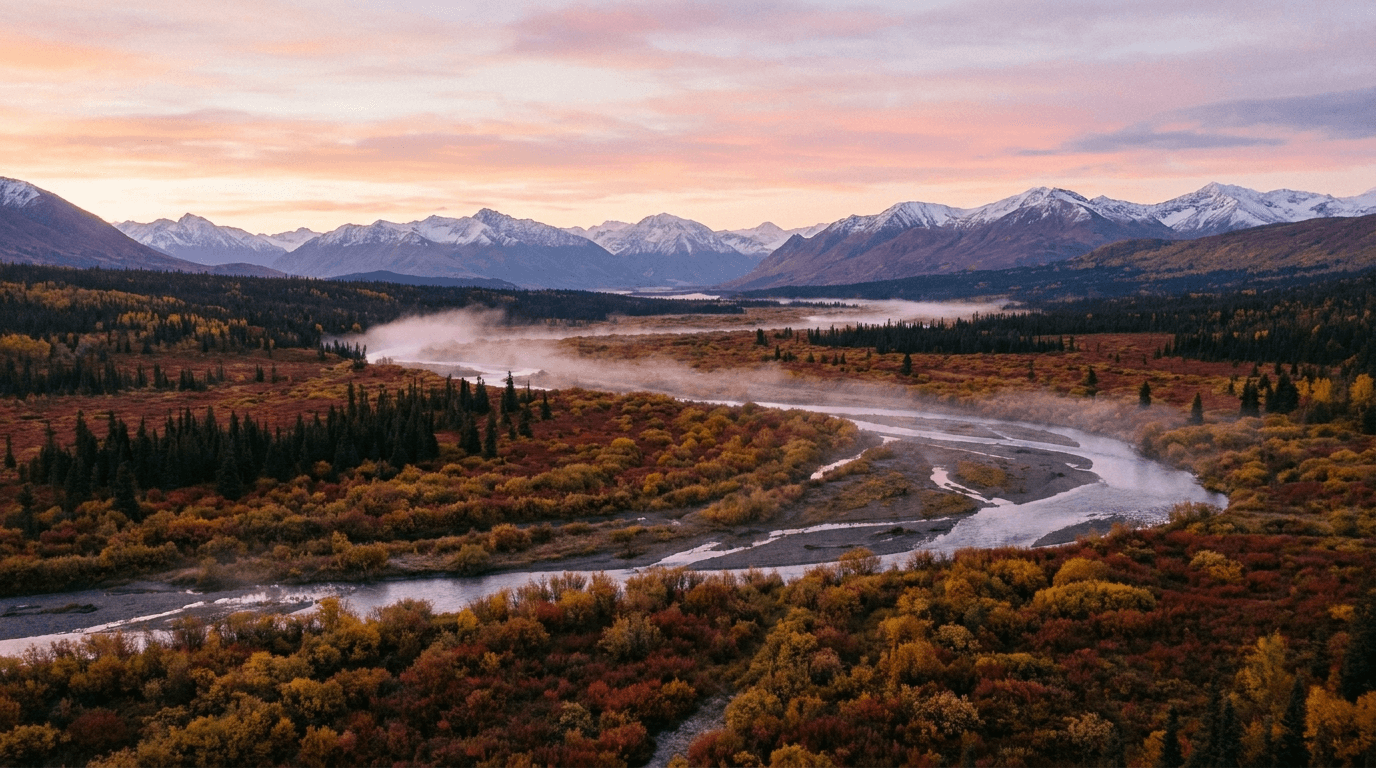
A moose tag arrives as a congratulations and turns into a logistics problem before the ink dries. Hunters who have killed plenty of elk still underestimate what happens after the shot on a moose, because a bull moose is not a big elk. It is closer to two of them, and every meat-care mistake that costs you a few pounds on an elk costs you a cooler's worth on a moose.
Filling the tag is rarely the hard part. Most hunters who draw can find and kill a moose. The hunt gets decided in the four to twelve hours after the trigger breaks, when a once-in-a-lifetime tag becomes either a winter of backstrap or a truck bed of green, fly-blown loss. Here is the plan to have sorted before the rifle ever goes in the truck.
Run the Math Before the Season
A mature bull can go 1,000 to 1,400 pounds on the hoof. Boned out, that commonly comes to 400 to 600 pounds of meat, sometimes more. A good bull elk gives up 150 to 200 pounds. So you are not scaling your elk plan up by half — you are scaling it by two or three times, and most of that weight will sit a mile or more from a road, because moose have a habit of dying in the worst spot available.
Break the animal into loads on paper before you break it down with a knife: two hindquarters, two front quarters, two backstraps, and one heavy pile of neck, rib, and trim meat. That is seven or eight loads before you count the cape or the antlers. If the plan is two people packing, do the arithmetic on load count and round-trip mileage in August, not while you stand over a downed bull watching the light go.
Quarter Fast, Not Pretty
Speed beats technique on a moose. The biggest threat to the meat is not bears, and it is not a dull blade. It is the animal's own core heat. A carcass that size holds warmth far longer than a deer or an elk, and meat left whole spoils from the inside out — invisibly, so you learn about it in November when you unwrap a roast that never had a chance.
Work in order of mass. Hindquarters come off first at the hip joint, because they are the largest pieces and the slowest to cool. Drop the lower leg at the knee. Move to the fronts and take them at the shoulder; there is no joint to break, and a knife alone gets it done. Pull the backstraps off the spine early. They are the most valuable cuts on the animal and the most exposed to dust and flies once the hide peels back. Neck, ribs, and trim come last.
Bring more blade than feels reasonable. A folder that handles a mule deer fine will go soft halfway through a moose shoulder. Two sharp knives is the floor. Better: a replaceable-blade knife plus a fixed blade and some way to touch up an edge mid-job. The moment the first knife quits is a bad time to discover you packed light.
Heat, Flies, and the Citric Acid Trick
Anywhere daytime temperatures sit above the mid-40s, flies find exposed meat within minutes. A fly-blown quarter is not automatically ruined, but it is a problem you did not need on a day already full of them. A light coat of citric acid solution on the meat surface — a trick guides in Alaska and western Canada have leaned on for years — dries into a crust that flies struggle to lay eggs in, and it slows surface bacteria at the same time. It weighs almost nothing in a pack and costs a few dollars.
Then manage the heat itself. Get quarters off the ground and away from each other. Two warm quarters stacked together trap heat exactly where you cannot afford it. Hang each piece separately in shade with airflow if the country gives you the option. If it does not, spread them out on pine boughs or a tarp, skin side down, with air moving between them.
Game Bags: Bring More Than Feels Reasonable
Under-bagging is one of the most common moose mistakes, usually because the hunter counted bags off an elk hunt. Plan on six to eight quality game bags at minimum, sized for the actual cuts. A moose hindquarter needs real capacity, not the mid-size bags that do fine on deer. Then buy a spare set anyway. A torn bag two miles from the truck, with meat open to dust and flies, is a poor place to start improvising.
The Pack-Out Is the Real Hunt
A bagged hindquarter routinely weighs north of 100 pounds. Most two-person moose pack-outs run six to nine total loads once you count backstraps, fronts, trim, hide, and antlers, and depending on the distance to the road, that is realistically two to four days of hauling. It also happens after the hardest physical work of the hunt is already behind you, on legs that have been climbing for a week.
Gear planning either pays off here or presents its bill. A pack frame that survived three or four hard elk seasons will probably survive a moose, but load six on a worn frame, or a hip belt that never quite fit, is exactly where a shoulder or hip injury shows up. Check the frame, the stitching, and the fit under real weight before the season. Whatever you carry, it should have already proven itself on loaded training hikes, because the heaviest carry of your hunting life is not the place to test new equipment.
Boots are the overlooked failure point in the same category. Plenty of hunters obsess over the rifle and the glass, and almost nobody stress-tests their boots against six to nine loaded trips over rough ground in a single week. That is the exact scenario that exposes weak stitching, or a sole that handled day hikes fine but not repeated heavy descents. If you are buying new boots for this hunt, put miles on them under load well before opening day.
Decide What Happens at Dark
Distance and daylight set the real limits, so know both before you commit to a stalk. How far is the nearest road, honestly, in miles and in hours? How many round trips can your group make in the daylight and weather you will actually have? If the answer is "not enough," that is worth knowing while the bull is still on his feet, because you can decline a stalk. You cannot decline a carcass.
Have an overnight answer too. On most moose pack-outs, meat spends at least one night in the field. That means hanging it high enough and far enough from camp to respect bears, in air that moves, with the crust on the meat doing its work. A plan that assumes everything reaches the truck by dark is not a plan. It is a hope with a rifle attached.
When It Makes Sense to Hire the Horses
There is no shame in deciding the math does not work for your group. This is the hunt where a guided or outfitted version earns its cost fastest — an outfitter with a pack string, a wall tent, and a meat-care routine has already solved the exact problem this whole article describes, and for a first moose tag or unfamiliar country, that support is often the difference between a full freezer and an animal you could not get out in time. Independent guides and outfitters run their own books at timberandtackle.guide. If the load count keeps coming up short of the daylight, it is worth a conversation with someone whose horses do this arithmetic for a living.
Plan the Extraction Before the Hunt
The hunters who bring whole moose home treat the pack-out as the trip's primary logistics problem, not a footnote to the shot. Enough bags. Enough blades. A frame and boots that have already carried real weight. The citric acid in a side pocket, the quartering order in your head, and an honest count of trips against daylight before anyone squeezes off. Get that part right and a moose tag becomes the freezer-filling trip it is supposed to be, instead of a scramble against heat, flies, and a setting sun.