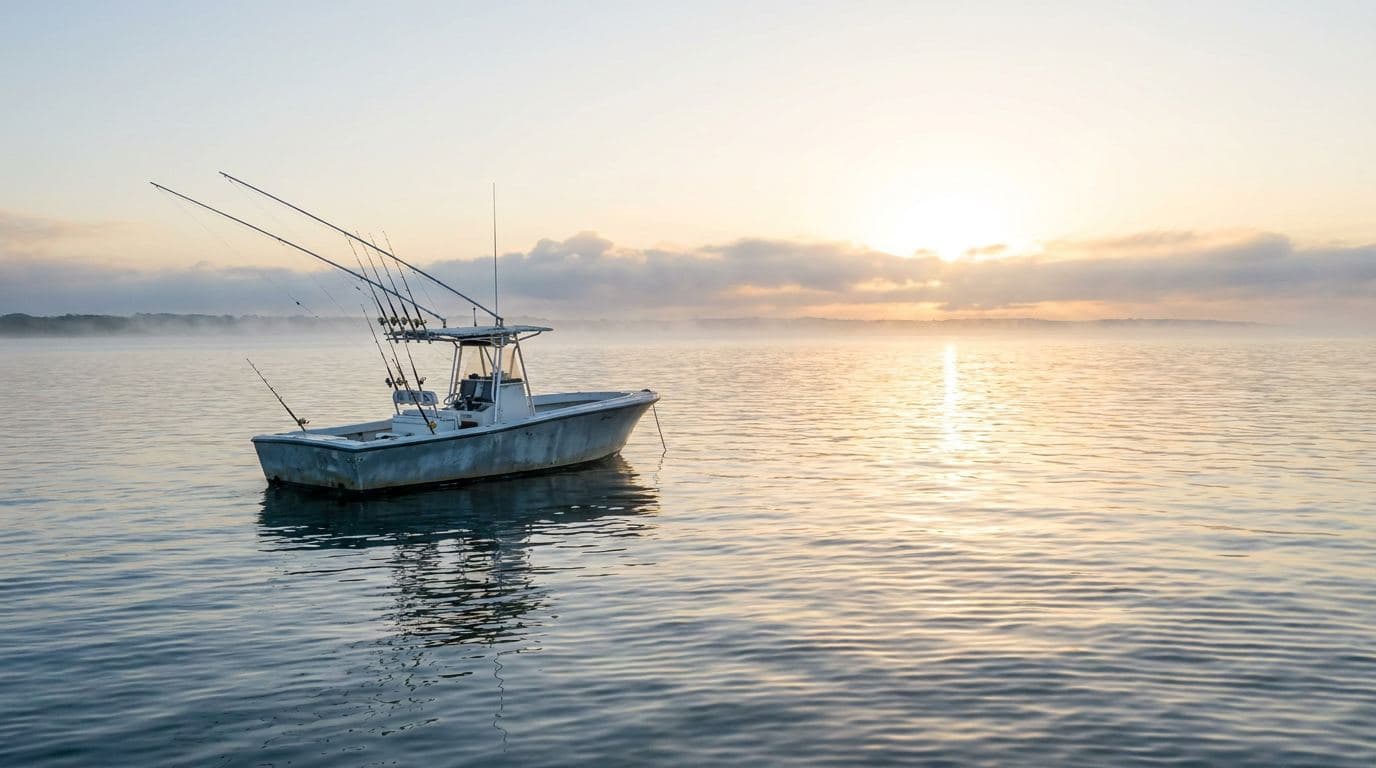
When you're booking a guided fishing trip for the first time, one of the first questions you'll face is how long to go. Most charter captains offer both half-day and full-day options, and the right choice depends on where you're fishing, what you're targeting, and how realistic you are about how your group handles extended time on the water.
This piece covers the practical differences between the two so you can make a decision based on your situation rather than just picking what sounds more serious.
What the Hours Actually Mean
A half-day charter runs four to five hours from departure to return. A full-day runs eight hours, sometimes longer on offshore trips where the run to productive water is itself substantial.
The hours-to-fishing ratio changes dramatically depending on where you're going. On an inshore charter fishing bays, flats, or nearshore structure, nearly all of a half-day is actual fishing time. You leave the dock, run ten or fifteen minutes to the first spot, and start working. On an offshore charter targeting species that live in open ocean, the ratio shifts. If the productive water starts 40 miles offshore, you're spending close to an hour each way in transit on a fast boat. A four-hour offshore trip can amount to two hours running and two hours fishing, which is rarely worth the cost.
Price: What You're Actually Comparing
Inshore half-day charters typically run $300 to $600 for the boat, covering a party of two to four anglers depending on the vessel. Full-day inshore trips fall in the $600 to $900 range. On an inshore half-day, you're not leaving fishing time on the table. A skilled guide can cover plenty of water in four hours when there's no long transit involved.
Offshore charters price higher. A full-day offshore trip runs $900 to $2,500 or more depending on the vessel, the port, and what you're targeting. That price reflects a larger boat, more fuel, heavier tackle, and typically a licensed mate working alongside the captain. The question worth asking is how many of those hours you'll spend actually fishing versus running to and from the grounds.
The Only Honest Comparison: Cost Per Fishing Hour
Sticker price is the wrong number to compare, because the four trips on the menu don't contain the same amount of fishing. The honest metric is what each person pays per hour of actual rod-in-hand time. Run it for a hypothetical party of four in 2026:
| Trip | Boat price | Per person | Fishing hours | Cost per fishing hour |
|---|---|---|---|---|
| Inshore half-day (4.5 hrs) | $450 | $112.50 | ~4 | ~$28 |
| Inshore full-day (8 hrs) | $750 | $187.50 | ~7.5 | ~$25 |
| Offshore full-day (8 hrs) | $1,800 | $450 | ~6 | ~$75 |
| Offshore "half-day" (4 hrs) | $1,200 | $300 | ~2 | ~$150 |
Read the bottom row again. The offshore half-day looks like the budget option at the booking page — $1,200 instead of $1,800 — and it's actually the most expensive trip on the menu by a wide margin: $150 per person per fishing hour, double the full-day offshore rate and five times the inshore half-day. Two of its four hours are transit either way. That's the trip most likely to disappoint a first-timer, and it's the one the discount price quietly steers people toward.
Notice what the math does not say: it doesn't say the inshore full-day is the automatic winner just because $25 edges out $28. Per-fishing-hour cost only tells you which trips are honestly priced for what they contain. Whether your group can actually use hour seven is a different question — and for most first-time parties the answer is no, which is why the half-day stays the right call inshore even at a slightly higher rate per hour.
Inshore vs. Offshore: The Decision That Changes Everything
The half-day versus full-day question usually resolves once you know which water you're in.
Inshore fishing targets species that live in protected water close to shore: redfish, speckled trout, flounder, snook, and striped bass among them. A skilled inshore guide can cover a lot of ground in four hours. Half-day inshore trips are genuinely complete fishing experiences, not shortened versions of something longer.
Offshore fishing targets pelagic species that live in open ocean far from the coast: mahi-mahi, yellowfin tuna, wahoo, amberjack, and sailfish. These fish are not accessible on short runs. You need the full day. Booking a half-day offshore trip means paying the full overhead of an offshore charter (fuel, mate, specialized tackle) for a fraction of the productive time. Most experienced captains will tell you it's not worth the cost, and the per-hour table above is the arithmetic behind their advice.
Who Should Book a Half-Day
A half-day is the better choice if any of the following fit your group:
- It's your first guided fishing trip and you want to gauge how you like the experience before committing to a full day
- Your party includes children under 10 or anyone uncertain about how they handle extended time on the water
- You're fishing inshore species where a four-hour window covers the productive morning bite
- Budget is a factor and you want a genuine fishing experience without the full-day price
- You have mixed interest levels in the group, with some people fishing seriously and others along for the outing
The half-day is also the right call if anyone in your group is prone to seasickness. Four hours in calm inshore water is manageable. Eight hours offshore in a rolling swell is a different experience, and getting sick with several hours remaining and no option to cut the trip short is genuinely unpleasant.
Who Should Book a Full Day
Book the full day if you're targeting offshore species that require a significant run to reach. Mahi, tuna, wahoo, and sailfish are not an inshore option. If you've chartered before, have solid sea legs, and want maximum time on the water, the full day is the right choice. The same applies if you're traveling specifically for this trip and won't be back in the area soon.
For first-time offshore anglers who have the budget, the full day is worth it. The overhead of an offshore charter is mostly fixed. You're paying for the boat, the fuel, and the mate regardless of whether you fish six hours or eight. The extra time at the end of the day is often when conditions shift and fish become active — and as the table shows, those late hours are the cheapest fishing hours you'll buy offshore.
Seasickness Is Worth Taking Seriously
Most first-time charter anglers underestimate seasickness risk. It's not just about whether you get seasick in general. Ocean conditions vary significantly by the day, and offshore swells that run three to five feet on an average morning can affect people who were fine the last time they were on a boat in a calm bay.
If you or anyone in your party has never been offshore before, take medication the night before, not just the morning of. Dramamine and Bonine need several hours to reach full effect. Ginger chews help some people. Scopolamine patches require a prescription but offer more consistent coverage for longer offshore trips. None of these are failsafe, which is another reason a half-day inshore trip is a lower-risk first charter for a group with unknown sea legs.
A Few Practical Details
Most inshore and nearshore charters include rods, reels, tackle, and bait. Many include the fishing license for the day; some don't. Confirm which when you book, not when you arrive at the dock.
Get there on time. Guides plan their tide windows and target spots around specific departure times, and a late start on a tide-dependent inshore trip costs fishing hours that can't be recovered. Offshore, you want to be on the fish by a certain time of morning, and a late departure shifts that window.
If there are specific species you want to target, mention it when you book. A captain who knows what you're after can plan accordingly. Mentioning it on the morning of departure is too late to change the plan.
For more on what the day actually looks like (what to bring, how tipping works, and what the captain expects from you), the guides section covers the full picture for first-time charter anglers.
Which to Book
Inshore trip: book the half-day, especially for a first outing. You'll cover real water, catch fish, and still have an afternoon. Offshore trip: book the full day. The transit time alone makes anything shorter than six or seven hours of actual fishing feel rushed, and you're paying the bulk of the cost regardless of length. When you're not sure which type of water applies to your destination, ask the captain how far the run is and do the per-hour math yourself — it takes thirty seconds. A good captain will tell you honestly which trip makes sense for what you want to catch.